

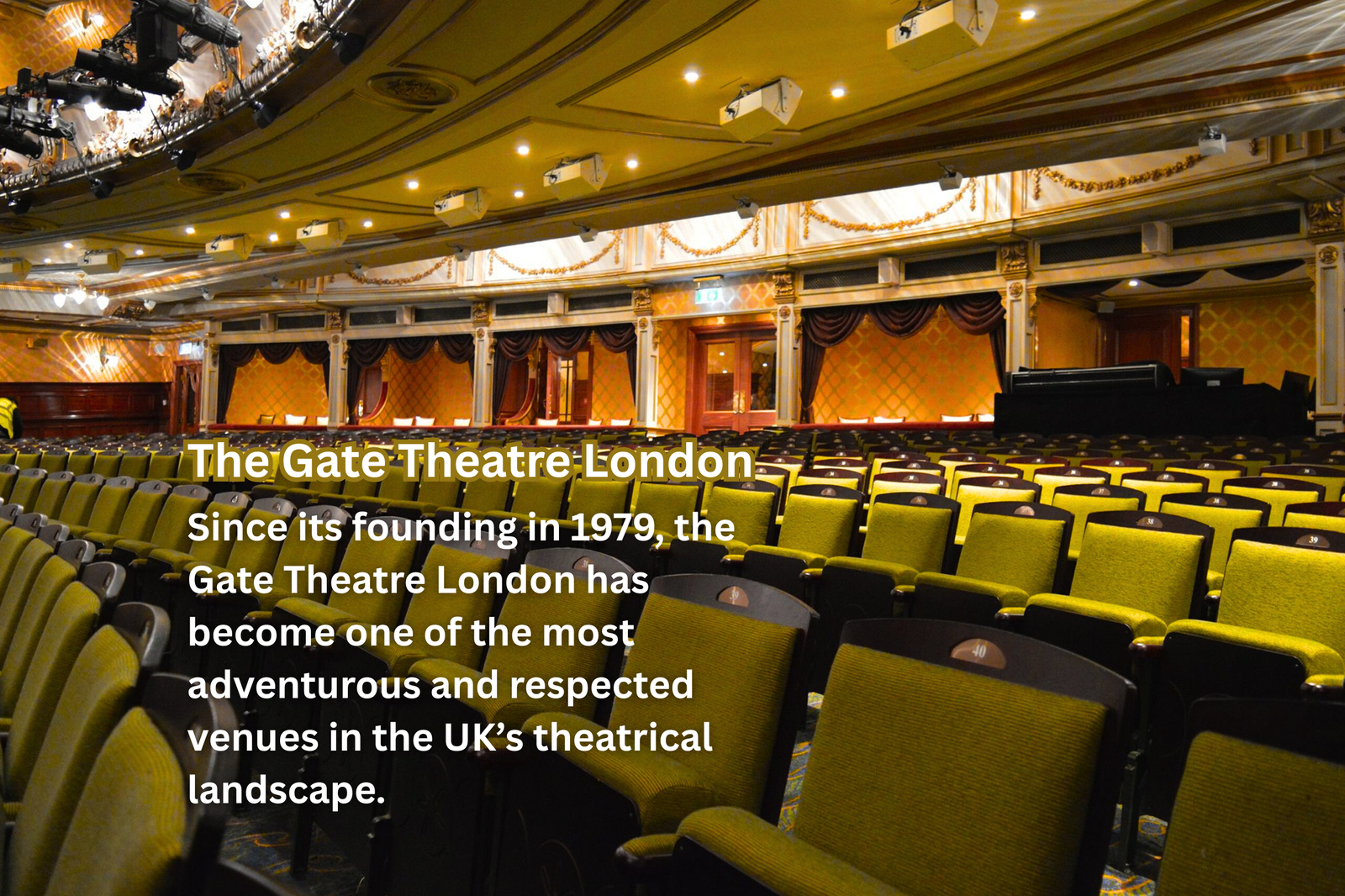
Since its founding in 1979, the Gate Theatre London has become one of the most adventurous and respected venues in the UK’s theatrical landscape. Known for staging innovative, international, and socially engaging productions, the Gate has influenced audiences and artists alike. Far from being just another theatre, the Gate has served as a creative launchpad for globally important voices, eclectic storytelling styles, and experimental theatrical forms.
A Humble Beginning Above a Pub
The story of the Gate Theatre London is a classic example of passionate vision overcoming humble beginnings. Director Lou Stein founded the theatre in a tiny space above the Prince Albert pub in Notting Hill. With only 75 seats, it was one of London’s smallest off-West End theatres. Despite its modest size, the Gate quickly earned a reputation for bold and culturally diverse productions. Stein’s vision was to create a venue where emerging artists could take creative risks, and audiences could experience theatre in a new, intimate way.
International Theatre and Cultural Exchange
From the start, the Gate focused on international and cross-cultural storytelling. Plays and artists from Asia, Africa, the Middle East, and Europe were presented, offering audiences unique perspectives. This global focus made the Gate more than a venue — it became a cultural exchange hub, introducing Londoners to theatrical traditions they might never have seen otherwise. Its programming emphasizes diverse voices and stories that challenge conventions.
A Platform for Emerging Talent
The Gate has a long history of nurturing emerging actors, directors, and playwrights. Many well-known artists started their careers at the theatre. Actors like Jude Law and Rachel Weisz, as well as directors such as Katie Mitchell, honed their craft here. By providing space for experimentation, the theatre has become a creative incubator, helping artists develop original approaches to performance and storytelling.
Critical Acclaim and Awards
Despite its small size, the Gate has received critical acclaim and numerous awards. Its productions have won the Laurence Olivier Awards, Critic’s Circle Awards, and Time Out Awards, among others. These accolades highlight the theatre’s artistic excellence and influence, showing that even a small off-West End venue can achieve significant impact in London’s cultural scene.
| Attribute | Details |
|---|---|
| Name | The Gate Theatre London |
| Founded | 1979 |
| Founder | Lou Stein |
| Location | Camden Town, London, United Kingdom |
| Original Location | Above Prince Albert Pub, Notting Hill, London |
| Type | Off-West End Theatre / Experimental Theatre |
| Seating Capacity | ~110 (current venue) |
| Known For | International plays, innovative productions, socially engaged theatre |
| Notable Alumni | Jude Law, Rachel Weisz, Katie Mitchell |
| Awards | Laurence Olivier Awards, Critic’s Circle Awards, Time Out Awards |
| Website | gatetheatre.co.uk |
| Social Media | Instagram / Twitter |
| Mission | To present innovative, international, and socially conscious theatre while supporting emerging artists |
| Special Programs | Woven Voices Prize (supports migrant playwrights) |
Memorable Productions Through the Years
The Gate Theatre London has produced numerous groundbreaking performances. In the 1980s, productions like Yukio Mishima’s Modern Noh Plays introduced audiences to Japanese theatre traditions. Other works, like plays reflecting contemporary social and political issues, demonstrated the theatre’s commitment to relevant storytelling. In the 2010s, productions such as Eclipsed by Danai Gurira and Assata Taught Me explored themes of identity, conflict, and social justice, reinforcing the Gate’s role as a platform for important stories.
Relocation to Camden Town
In 2022, the Gate moved from Notting Hill to Camden Town, sharing space with Theatro Technis. The relocation allowed for a more accessible venue with modern facilities and increased seating capacity to around 110 people. Despite the change, the theatre retained its intimate atmosphere, enabling audiences to experience performances up close. The move marked a new chapter while maintaining the Gate’s core mission of innovation and risk-taking.
Diversity and Inclusion in Theatre
The Gate actively champions diversity and inclusion. Programs such as the Woven Voices Prize support migrant playwrights, offering financial backing and professional development. By creating opportunities for underrepresented voices, the theatre ensures that its productions reflect global perspectives and remain socially relevant. This commitment has strengthened the Gate’s reputation as a space for meaningful, culturally rich theatre.
Impact on Audiences
Audiences at the Gate experience theatre differently. Its small venue allows for immersive performances where spectators can connect closely with performers. The theatre presents stories that are provocative, engaging, and emotionally resonant, sparking discussion and reflection long after the curtain falls. By prioritizing audience engagement, the Gate creates memorable experiences that go beyond traditional theatre-going.
Influence on British Theatre
The Gate’s influence extends beyond its own productions. By fostering experimentation, it has contributed to new forms of storytelling in British theatre. International collaborations and touring productions have introduced its innovative approaches to wider audiences. Many of today’s celebrated British theatre practices, including immersive and socially conscious productions, have roots in the Gate’s experimental ethos.
Educational Programs and Community Engagement
In addition to productions, the Gate hosts talks, workshops, and educational initiatives. These programs allow artists and audiences to engage deeply with the work, fostering dialogue around storytelling and social issues. By connecting creative communities with the public, the theatre strengthens its role as a cultural and educational hub.
Intimacy as a Strength
The Gate demonstrates that small theatres can make a big impact. Its intimate scale allows for experimentation and close interaction with audiences. This setting encourages performers to explore subtlety, emotion, and connection in ways larger venues cannot. Over its four-decade history, the Gate has proven that artistic integrity and creativity can thrive even without commercial scale.
Recent Productions and Themes
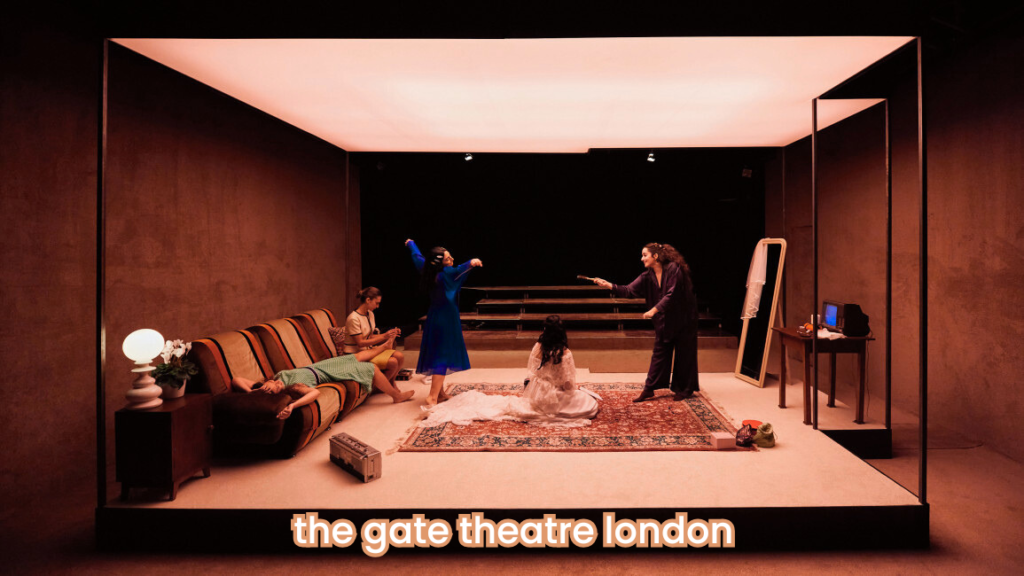
Recent seasons continue to reflect global and contemporary issues. Productions addressing climate change, migration, and human rights demonstrate the theatre’s commitment to socially relevant storytelling. By combining artistic excellence with activism, the Gate ensures its work remains impactful, thought-provoking, and culturally significant.
Legacy and Cultural Significance
The Gate Theatre London is more than a venue; it is a cultural institution. From its early fringe beginnings to its modern home in Camden, it has maintained its mission of presenting international, experimental, and socially conscious work. The theatre has launched careers, introduced audiences to diverse stories, and contributed to the development of British theatre. Its legacy demonstrates the power of risk-taking, vision, and artistic dedication.
The Gate Today
Today, The Gate Theatre London continues to produce performances that are innovative and globally minded. Its ongoing mission is to challenge audiences, support emerging artists, and reflect the world’s diversity. By maintaining a small yet impactful venue, the theatre ensures that creativity, experimentation, and social engagement remain at the heart of every production.
Final Thoughts
The Gate Theatre London stands as a beacon of artistic innovation. Its commitment to international storytelling, emerging talent, and socially relevant work has made it one of the most respected off-West End theatres. For audiences and artists alike, the Gate offers an experience that is intimate, transformative, and globally conscious. Over four decades, it has proven that theatre can challenge, inspire, and connect communities in powerful ways.
FAQs
Q: What is The Gate Theatre London known for?
A: The Gate Theatre London is known for innovative, international, and socially engaging theatre, often featuring new voices and experimental performances.
Q: Where is The Gate Theatre London located now?
A: Since 2022, The Gate Theatre London is located in Camden Town, London, offering a modern venue with an intimate atmosphere.
Q: When was The Gate Theatre London founded?
A: The theatre was founded in 1979 by director Lou Stein above a pub in Notting Hill.
Q: Does The Gate Theatre London support emerging artists?
A: Yes, it provides a platform for new actors, directors, and playwrights, helping them experiment and grow professionally.
Q: How can I buy tickets for The Gate Theatre London?
A: Tickets can be purchased online via the official website or at the box office before shows.
