

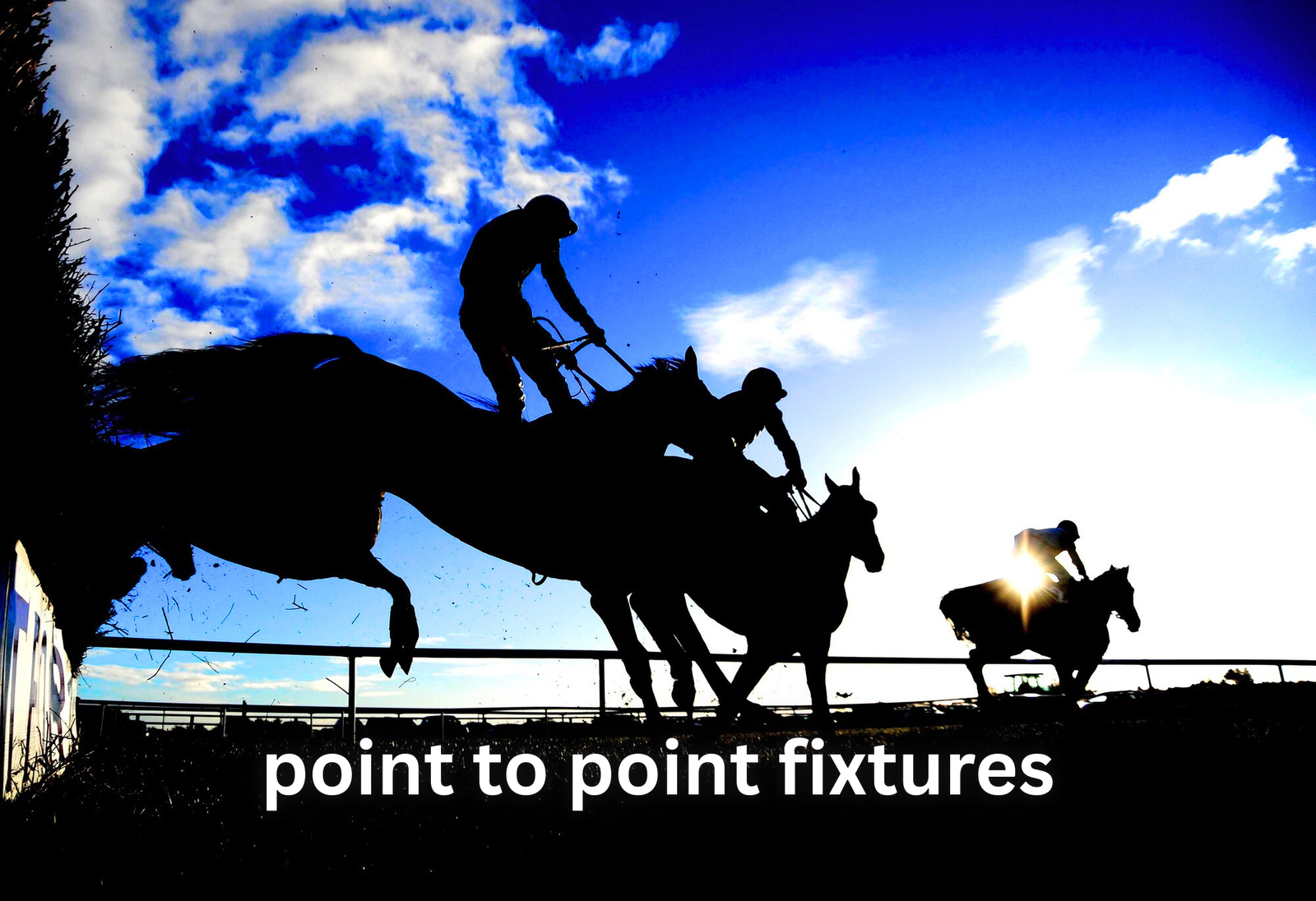
Point to Point fixtures are among the most cherished events in horse racing. These fixtures celebrate a form of racing deeply rooted in rural tradition. They involve amateur riders and spirited horses competing over fences in open countryside. Unlike professional races, Point to Point fixtures are often hosted on farmland, local estates, or temporary courses. This makes them intimate and exciting for spectators and participants alike.
Point to Point racing allows both riders and horses to shine outside professional circuits. It’s not just about competition—it’s about community, tradition, and the love of horses. These fixtures help maintain skills, encourage local engagement, and provide an unforgettable day out for families and racing enthusiasts.
What Are Point to Point Fixtures?
Point to Point fixtures are organized horse racing meetings specifically for amateur jockeys and horses. The races are typically about three miles long and feature natural obstacles such as fences and hedges. These fences test both the horse’s stamina and the rider’s skill.
Unlike professional races, Point to Point focuses on community participation. Riders must be amateurs and often come from local hunts or equestrian clubs. These fixtures are seasonal, usually running from late autumn to early summer, which adds a rhythm to the countryside calendar.
A Rich History From Field to Finish Line
Point to Point racing has a long and fascinating history. It originated when horsemen would race from one landmark to another—literally from point to point, such as from one church steeple to another.
Over time, this evolved into organized steeplechase races in the 18th and 19th centuries. Point to Point racing became formalized for amateur riders and hunting horses. It allowed riders to keep horses fit, compete locally, and celebrate rural sporting life. Today, it’s recognized as a legitimate and official form of horse racing.
How These Fixtures Work
Point to Point courses are laid out in fields or farmland and feature fences, hedges, and brush jumps. Unlike professional racetracks, these courses are temporary and adapt to the terrain.
Each fixture includes multiple races, often six to eight in a day. Tools like measuring tapes and levels are used to ensure fences are safe and appropriately spaced. The goal is to create a course that challenges both horse and rider while remaining safe and fair.
| Detail | Information |
|---|---|
| Name | Point to Point Fixtures |
| Type | Amateur horse racing events |
| Origin | 18th–19th century, UK & Ireland |
| Participants | Amateur riders with Riders Qualification Certificate (RQC) |
| Race Distance | Typically around 3 miles |
| Horses | Thoroughbreds or hunter horses |
| Locations | Farmland, estates, temporary courses in UK & Ireland |
| Season | Late autumn to early summer |
| Purpose | Grassroots competition, horse and rider development, community event |
| Social Aspect | Family-friendly, festivals, local gatherings |
| Governing Body | Point to Point Owners & Riders Association (PPORA) |
| Notable Info | Many famous National Hunt horses started here, e.g., Best Mate, Denman |
Who Can Compete?
Riders in Point to Point racing are strictly amateur. They must be at least 16 years old and hold a Riders Qualification Certificate (RQC). A current Medical Record Book (MRB) is also required to ensure safety.
No professional jockeys are allowed in Britain, although Ireland allows professional trainers to enter horses. This emphasis on amateur participation is what gives Point to Point racing its unique charm and community focus.
The Horses and Their Role
Horses in Point to Point are usually Thoroughbreds or hunter horses trained for stamina and jumping. Many horses have backgrounds in hunting, making them ideal for this type of racing.
Point to Point provides a stepping stone for horses and riders. Young or inexperienced horses can gain competitive experience before entering higher-level professional races. Famous National Hunt champions like Best Mate and Denman began their careers in Point to Point racing.
The Organizers Behind the Scenes
Point to Point fixtures are organized by local hunt committees, regional clubs, and volunteer groups. They handle everything from course layout and land permissions to rider registration and safety measures.
National organizations like the Point to Point Owners & Riders Association (PPORA) also oversee rules, safety standards, and fixture schedules. Their work ensures that every race is fair, safe, and enjoyable.
A Social Gathering – More Than Just a Race
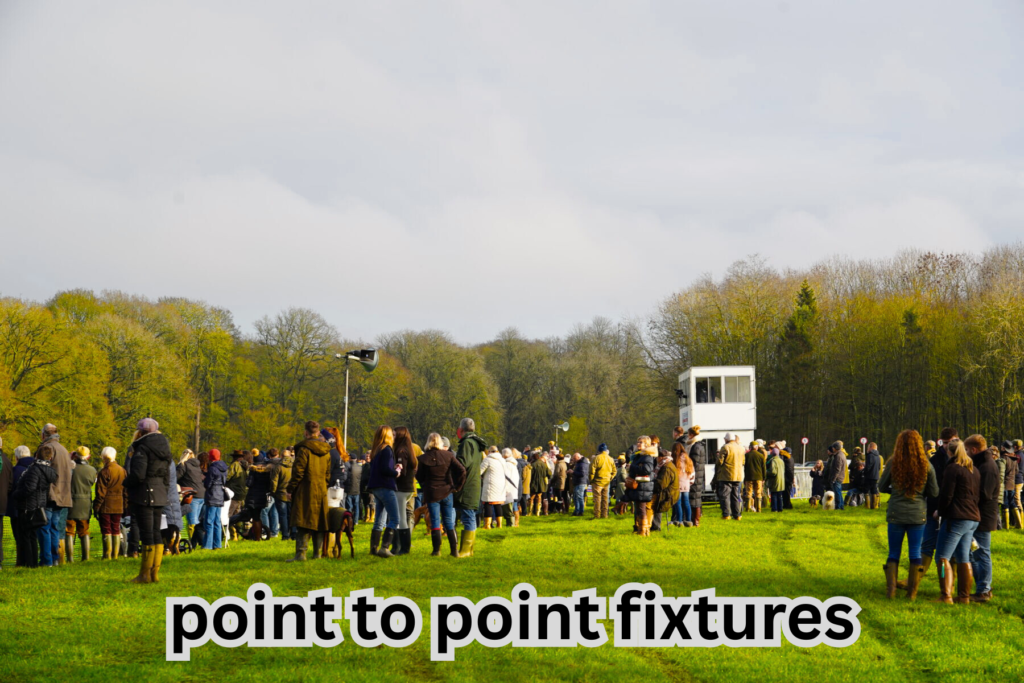
Point to Point fixtures are not only sporting events but social occasions. Families often picnic on the grass while watching the races. Children, pets, and friends gather to enjoy the atmosphere.
Food stalls, trade stands, and local vendors add to the festive feel. There is usually no strict dress code, which makes the events accessible to everyone. Spectators can get close to the horses, feel the excitement of racing, and cheer for local talent.
When and Where They Happen
Point to Point fixtures take place across the UK and Ireland, with 80–100 courses and over 130 fixtures each season. They are hosted on estates, farmland, and historic properties.
Popular fixtures include the West Mercian Area Races, the Harkaway Club Point to Point, and local meetings in Wales, Scotland, and Ireland. These events provide both a competitive platform for riders and a celebration of local culture.
The Unique Benefits of Point to Point Fixtures
Point to Point fixtures offer several advantages:
1. Grassroots Racing Culture
They celebrate amateur skill and rural tradition rather than commercial interests.
2. Rider and Horse Development
New horses and young riders gain experience in real races, building confidence and skill.
3. Social Experience and Community
The events bring communities together for a day of entertainment, food, and socializing.
4. Accessibility
Spectators can enjoy the races casually, without the pressure of professional racing etiquette.
5. Tradition Meets Excitement
These races maintain centuries-old tradition while offering unpredictable, thrilling action.
Experiencing a Fixture – What to Expect on Race Day
Race day begins with gates opening in the morning or early afternoon. Locals arrive with picnics, blankets, and family. The atmosphere is lively, with the sound of horses’ hooves thundering across the field.
Spectators can browse food and drink vendors, chat with owners and trainers, and watch jockeys warm up. Betting is friendly and informal, giving everyone a chance to enjoy the sport, whether novice or veteran.
Challenges and the Future
Despite their popularity, Point to Point fixtures face challenges. Finding suitable land for races, dealing with weather interruptions, and maintaining safety standards require careful planning.
However, the sport is growing with online fixture lists, digital results, and social media promotion. This ensures that enthusiasts can follow the season and plan visits, keeping the sport alive for future generations.
Final Thoughts
Point to Point fixtures are more than horse races. They are celebrations of tradition, community, and equestrian skill. They provide a unique mix of competition, social experience, and rural charm.
For families, spectators, riders, or horse owners, attending a Point to Point fixture offers an authentic taste of grassroots horse racing. From cheering at the start line to watching horses clear fences with precision, these events leave lasting memories.
Whether you are a seasoned racing fan or curious newcomer, Point to Point fixtures are a must-see for anyone who loves horses, sport, and community spirit.
FAQs
Q: What are Point to Point fixtures?
A: Point to Point fixtures are amateur horse races held over fences in open countryside, often organized by local hunt clubs.
Q: Who can ride in Point to Point races?
A: Only amateur riders with a Riders Qualification Certificate (RQC) and medical clearance can compete.
Q: How long is a typical Point to Point race?
A: Most races cover around three miles and include several fences or jumps along the course.
Q: Where are these fixtures usually held?
A: They are held on farmland, estates, or temporary courses in the UK and Ireland.
Q: Why are Point to Point fixtures popular?
A: They are popular for their mix of competition, rural tradition, community spirit, and family-friendly atmosphere.
