

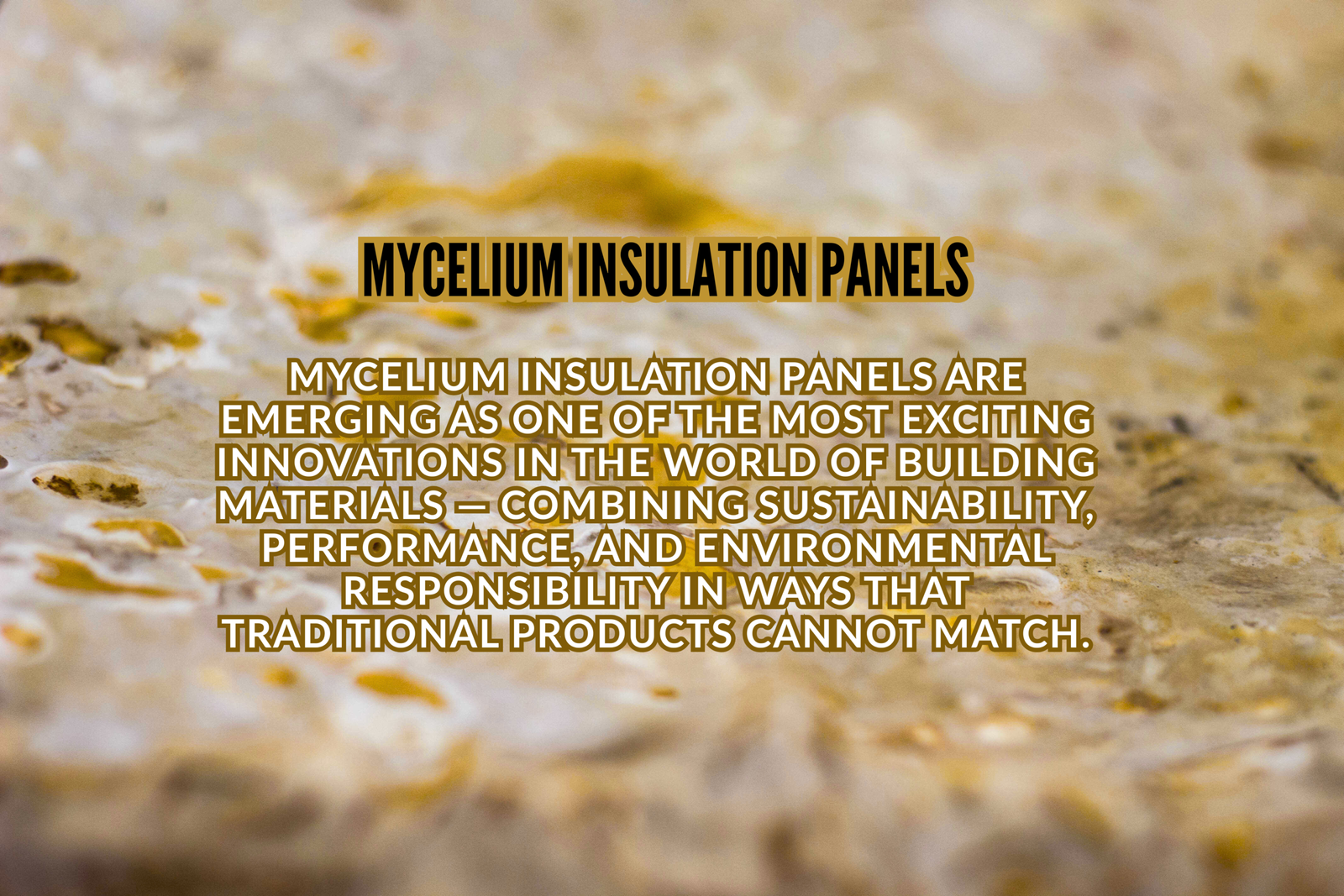
Mycelium insulation panels are emerging as one of the most exciting innovations in the world of building materials — combining sustainability, performance, and environmental responsibility in ways that traditional products cannot match. Unlike conventional insulation made from fiberglass, foam, or mineral wool, mycelium panels are grown, not manufactured, from the root‑like network of fungi known as mycelium.
These panels are drawing attention from architects, builders, sustainability advocates, and even governments looking to reduce carbon emissions and revolutionize construction practices worldwide.
What Are Mycelium Insulation Panels?
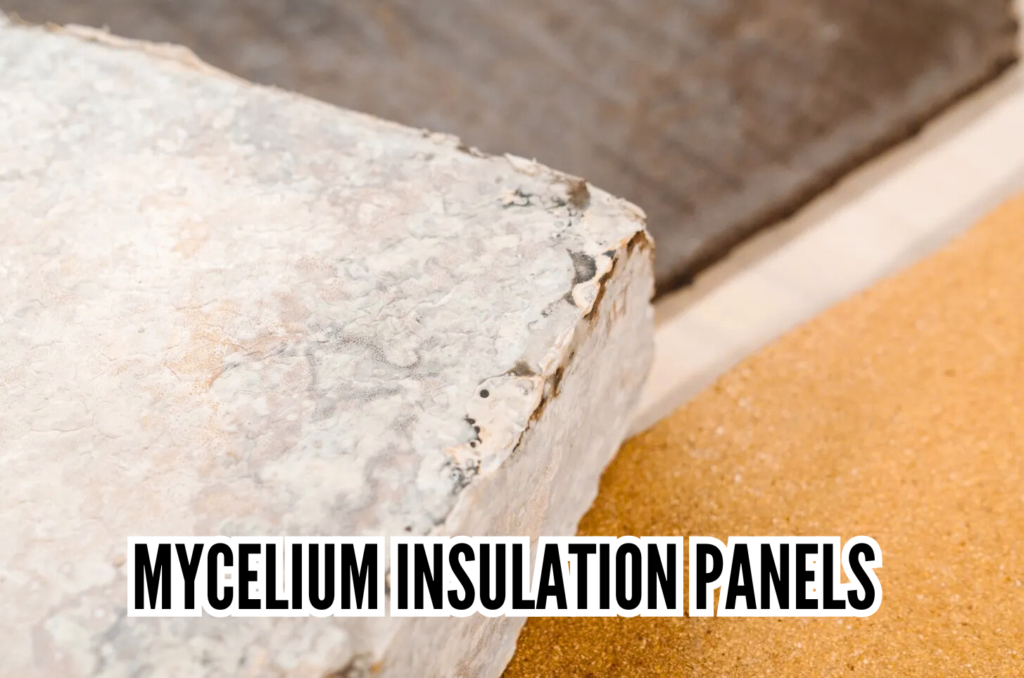
Mycelium insulation panels are bio‑composite building materials created by cultivating fungal mycelium within a substrate of agricultural waste such as straw, sawdust, or bagasse. During the growth process, the fungi’s thread‑like structures bind the waste into a solid, lightweight panel that can be used for thermal and acoustic insulation.
Rather than being mined or synthesized, these panels are grown like a crop. The mycelium digests and intertwines the organic feedstock over several days, forming a network that is then heat‑treated to stop biological growth and stabilize the material.
This growth‑based production is what sets Mycelium insulation panels apart: they rely on low energy, renewable inputs rather than high‑temperature industrial manufacturing.
How Mycelium Panels Are Made
The creation of mycelium insulation panels is a fascinating marriage of biology and design:
- Raw Materials: Agricultural byproducts that would otherwise go to waste (e.g., crop stalks, husks, sawdust) are collected and prepared.
- Inoculation: Mycelium spores are added to this substrate in controlled conditions. The fungi begin to spread, feeding on the organic material.
- Growth: Over days to weeks, a solid mass forms as mycelium hyphae interconnect the substrate particles.
- Curing: The panel is then dried or heat‑treated to halt growth and make it inert and stable for building use.
This process yields a panel that is structurally cohesive, lightweight, and biodegradable, with insulation properties suitable for walls, ceilings, or flooring applications.
Thermal Insulation and Energy Efficiency
One of the primary advantages of Mycelium insulation panels is their thermal performance. These materials naturally trap air within their porous structure, making them effective barriers to heat transfer. Research has shown that when used in building envelopes, mycelium insulation can significantly reduce heating and cooling energy consumption compared to some conventional materials.
Because buildings account for a large percentage of global energy use and CO₂ emissions, reducing this demand through better insulation has a meaningful impact on sustainability.
In addition to thermal regulation, mycelium panels also help improve indoor comfort by smoothing temperature fluctuations and reducing dependency on mechanical heating and cooling.
| Attribute | Details |
|---|
| Type | Bio-composite insulation material |
| Made From | Fungal mycelium + agricultural waste |
| Production | Grown in molds and heat-treated |
| Thermal Performance | High, energy-efficient insulation |
| Acoustic Performance | Excellent sound absorption |
| Fire Resistance | Naturally fire-resistant |
| Durability | Long-lasting if properly installed |
| Environmental Impact | Low carbon footprint, biodegradable |
| Use Cases | Walls, ceilings, floors, acoustic panels |
| Availability | Produced by sustainable material startups globally |
Acoustic Benefits and Indoor Air Quality
Beyond temperature control, Mycelium insulation panels offers excellent acoustic damping. Its fibrous, uneven internal structure helps absorb sound, making these panels a strong choice for noise reduction in homes, offices, and public buildings.
Unlike some synthetic insulations, mycelium materials are non‑toxic and free of volatile organic compounds (VOCs). This contributes to healthier indoor air quality, especially important in spaces where people spend long periods.
Environmental and Sustainability Advantages
Mycelium insulation panels are often praised for their carbon‑negative potential.
Reduced Embodied Energy
Where traditional insulation requires high‑energy processing and fossil‑fuel inputs, mycelium panels grow at low temperatures with minimal energy. This drastically lowers the embodied carbon footprint of the material.
Circular Economy and Waste Valorization
These panels turn waste into value. Agricultural byproducts that might otherwise rot or be burned — releasing greenhouse gases — become part of a high‑performance building material.
At the end of their life, mycelium panels can compost naturally, returning nutrients to soil without leaving long‑lasting pollution. Some manufacturers even reclaim used panels to reintegrate them into a closed production loop.
Carbon Sequestration
During growth, mycelium absorbs carbon dioxide from the atmosphere as part of its biological processes. According to some estimates, this can result in net carbon storage within the material itself — a rare trait among building materials.
Real World Examples and Use Cases
One of the most notable real‑world examples of mycelium insulation production comes from Kenya, where a company named MycoTile is producing panels on an industrial scale to address housing needs and sustainability goals.
At facilities near Nairobi, mycelium panels made from sugarcane waste and fungal mycelium are used for wall and roof insulation, as well as interior finishes — sometimes at costs significantly lower than traditional brick and mortar.
In one case, a homeowner in Kenya built a small home using these fungal panels for just a fraction of the typical construction cost, illustrating not only environmental but also economic potential.
Around the world, research institutions, startups, and sustainable design firms are exploring mycelium for thermal insulation, acoustic panels, wall blocks, and even structural elements in experimental architectures.
Challenges and Limitations
Despite their promise, mycelium insulation panels are not without challenges.
Durability and Moisture Sensitivity
Because they are organic, mycelium composites can be susceptible to moisture and degradation if not properly sealed or treated. Researchers are actively seeking ways to improve moisture resistance and long‑term durability for broader use.
Structural Strength Limits
While excellent for insulation and non‑load‑bearing applications, current mycelium materials do not yet match the strength of conventional structural materials like concrete, limiting their use in major load‑bearing components without hybrid reinforcement.
Market Scaling and Standardization
Large‑scale adoption also faces hurdles related to production infrastructure, consistent quality standards, and industry certifications. However, investment and research continue to advance these fronts.
Looking Forward: The Role of Mycelium in Sustainable Building
The evolution of mycelium insulation panels reflects a broader shift in architecture and construction toward materials that are regenerative, low‑impact, and aligned with ecological principles.
As climate change pressures mount, construction must increasingly reduce carbon emissions not only in operations but in the materials themselves. Mycelium, with its low energy growth process and potential for carbon sequestration, offers a compelling step in that direction.
While not a complete substitute for all traditional materials yet, its integration into walls, ceilings, acoustic solutions, and even future hybrid composites represents a significant move toward greener buildings and circular material systems.
Final Thought
Mycelium insulation panels are more than just a building material — they are a glimpse into the future of sustainable construction. By turning agricultural waste into high-performance, biodegradable panels, they offer a solution that is environmentally responsible, energy-efficient, and adaptable to modern design. While challenges remain, the innovation behind mycelium demonstrates how nature-inspired solutions can transform industries. As builders, architects, and homeowners increasingly prioritize sustainability, mycelium insulation panels are poised to become a cornerstone of green construction, showing that the path to eco-friendly living can be both practical and revolutionary.
FAQs
Q: What are mycelium insulation panels made of?
A: They are made from fungal mycelium grown on agricultural waste like straw or sawdust, forming solid, lightweight panels.
Q: Are mycelium panels eco-friendly?
A: Yes, they are fully biodegradable, low-carbon, and made from renewable materials, making them highly sustainable.
Q: Can mycelium panels replace traditional insulation?
A: They can replace many non-structural insulation materials, offering thermal and acoustic benefits in walls, floors, and ceilings.
Q: Are mycelium panels fire-resistant?
A: Yes, they naturally resist fire and char without releasing toxic fumes, providing safe insulation.
Q: How long do mycelium panels last?
A: With proper sealing and installation, they can last for years while maintaining performance and eco-friendly properties.
