

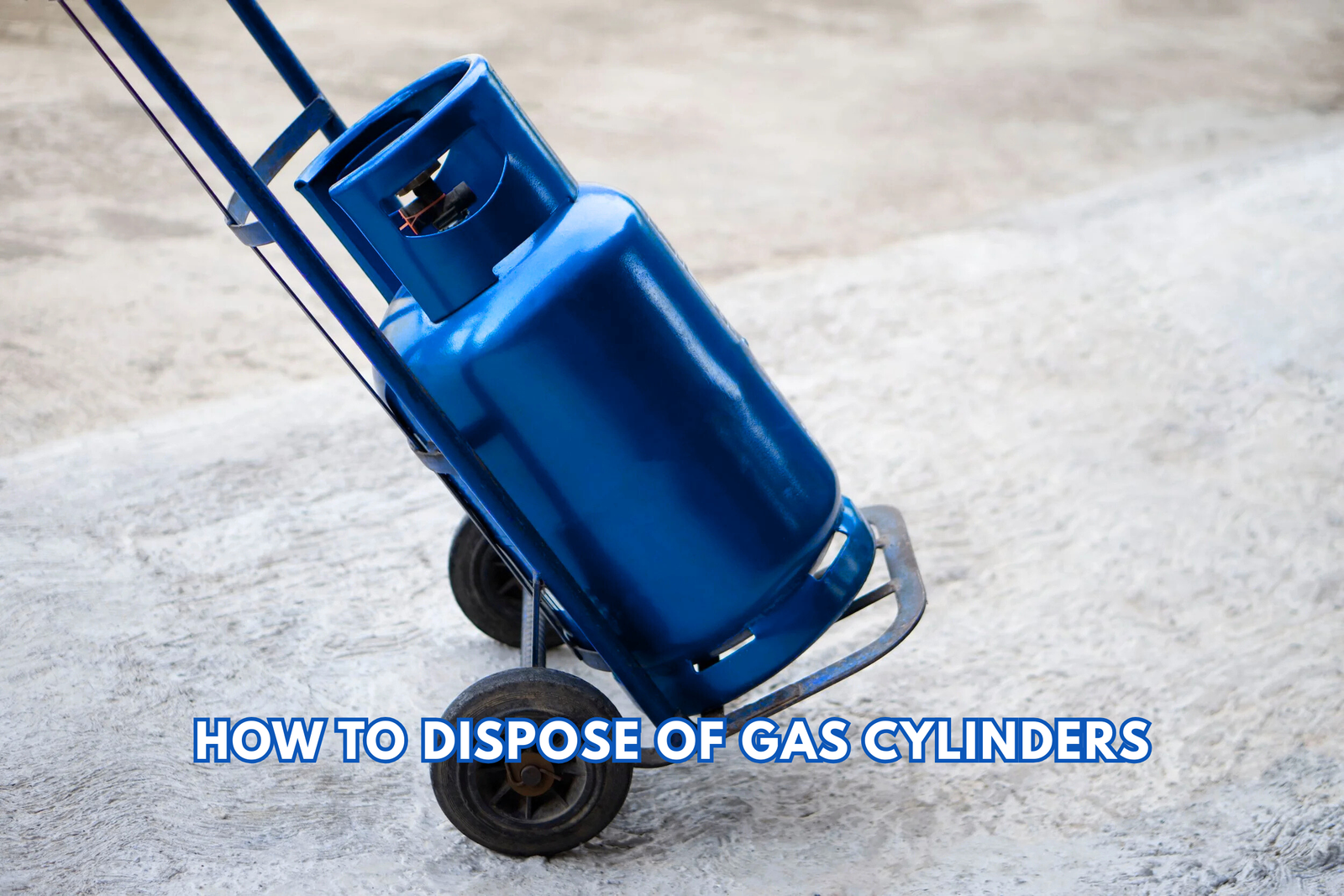
Gas cylinders are widely used in homes, restaurants, construction sites, laboratories, and industrial facilities. They are essential for everyday tasks, from cooking with LPG (liquefied petroleum gas) cylinders to supplying oxygen in medical facilities. While these cylinders are very useful, it is crucial to know how to dispose of gas cylinders safely, especially when they are no longer in use.
When a gas cylinder reaches the end of its life or is empty, disposing of it safely becomes crucial. Improper handling can lead to accidents, injuries, environmental damage, and even legal consequences. Because gas cylinders store gas under high pressure, they can be dangerous if not handled correctly. They have the potential to explode, leak, or harm the environment if punctured, burned, or discarded incorrectly.
What Are Gas Cylinders?
Gas cylinders are strong metal containers designed to store gases under high pressure. Most cylinders are made from steel or aluminum, making them sturdy enough to hold gases like propane, butane, oxygen, nitrogen, carbon dioxide, and argon. Their design ensures safety while storing potentially hazardous substances.
Different cylinders serve different purposes. Propane and butane cylinders are used in homes for cooking, heating, and camping. Oxygen cylinders are vital in hospitals and are also used in welding and industrial processes. Industrial gas cylinders are common in laboratories, factories, and research facilities. Even fire extinguisher cylinders are pressurized and require careful disposal.
Understanding the risks associated with gas cylinders is the first step in learning how to dispose of gas cylinders correctly and safely.
The Hidden Dangers of Improper Disposal
Many people mistakenly believe that gas cylinders can be thrown away like regular trash once they appear empty. This is a dangerous misconception.
Even when a cylinder seems empty, it may still contain residual gas. If this gas comes into contact with heat, sparks, or impact, it can ignite, explode, or cause serious injury. Improper disposal can also damage property and put sanitation workers at risk.
Knowing how to dispose of gas cylinders properly is essential to prevent accidents and ensure community safety. Throwing cylinders in regular garbage or curbside recycling is never safe.
| Attribute | Details |
|---|---|
| Topic | How to Dispose of Gas Cylinders |
| Purpose | Safe handling and disposal of pressurized gas containers |
| Common Types | Propane, Butane, Oxygen, Industrial Gases, Fire Extinguishers |
| Key Safety Points | Ensure empty, open valve outdoors, avoid damage, use approved disposal centers |
| Disposal Options | Supplier return, hazardous waste center, specialty recycling, professional services |
| Environmental Impact | Reduces pollution, recycles metal, prevents gas leaks |
| Legal Aspect | Must follow local hazardous waste regulations |
| Audience | Households, businesses, industrial users, environmental enthusiasts |
| Benefits | Safety, environmental protection, recycling, legal compliance |
Why Safe Disposal Matters
Proper disposal of gas cylinders protects people, property, and the environment. First, it safeguards people. Household members, waste workers, and recycling staff are all at risk if cylinders are discarded carelessly.
Second, safe disposal protects the environment. Releasing leftover gas into the atmosphere contributes to air pollution. Some gases may also contaminate soil and water if they leak from improperly discarded cylinders.
Third, it protects property. An exploding cylinder can cause significant damage to homes, vehicles, and waste management facilities.
Finally, following regulations ensures legal compliance. Many countries have strict laws governing pressurized containers. Failing to comply with these rules can result in fines or penalties. Learning how to dispose of gas cylinders legally ensures safety and avoids potential issues.
Common Types of Gas Cylinders and Disposal Differences
Not all gas cylinders are treated the same. Knowing their type helps determine the safest method to dispose of them.
Propane and butane cylinders are the most common household types. They are used for cooking, heaters, and camping stoves. These cylinders should be emptied completely and taken to a recycling center, hazardous waste facility, or supplier depot that offers proper disposal.
Medical oxygen cylinders should never be thrown in the trash. Instead, they should be returned to the supplier or medical equipment company, which has systems to refill, recycle, or safely dispose of them.
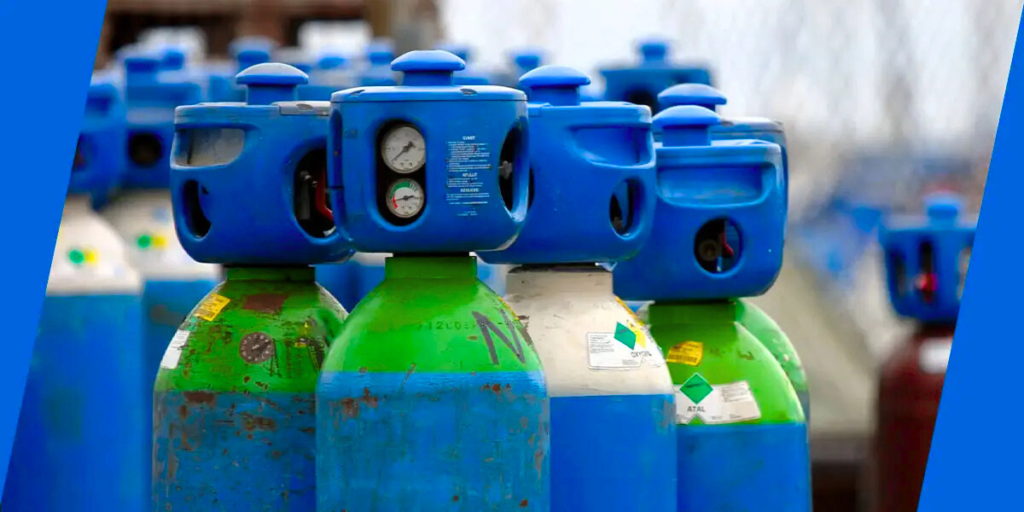
Industrial gas cylinders, such as those containing argon, nitrogen, acetylene, or carbon dioxide, are accepted by industrial suppliers, specialty recycling centers, or hazardous waste management services.
Fire extinguisher cylinders contain pressurized extinguishing agents and should be taken to fire safety suppliers or hazardous waste centers.
Knowing these differences is important when understanding how to dispose of gas cylinders safely.
Steps to Prepare a Gas Cylinder for Disposal
Before taking a cylinder for disposal, preparation is key to prevent accidents.
Ensure the cylinder is completely empty. For LPG or propane, connect the cylinder to a suitable appliance and run it until the gas stops flowing. For medical or industrial gases, follow supplier guidelines to safely reduce pressure to zero.
Keep the valve open. Once empty, open the valve in a safe, outdoor location to allow any residual gas to escape. Always stand to the side and avoid placing your face over the valve.
Protect the cylinder. Avoid dropping, puncturing, or denting it, as damaged cylinders remain dangerous. If a cylinder is heavily damaged, notify the hazardous waste facility before transport.
Label the cylinder if necessary. Some centers require identification. You can mark it as “empty” to make handling easier.
Following these steps ensures proper handling and is a crucial part of learning how to dispose of gas cylinders correctly.
Where to Dispose of Gas Cylinders
Gas cylinders should never go in regular trash or curbside recycling. There are several safe disposal options:
Returning cylinders to the supplier or dealer is often the easiest and safest method. Many suppliers accept used cylinders in exchange for a refill or replacement.
Household hazardous waste centers accept gas cylinders and other hazardous materials. Check your local environmental agency for location and hours.
Some specialty recycling facilities accept cylinders, but only those equipped to handle pressurized containers.
Communities often organize collection events for hazardous waste. These events are a convenient way to safely drop off old cylinders.
For households or businesses with multiple cylinders, professional disposal services provide safe pickup and handling. These companies are trained to manage pressurized materials properly.
Following these procedures ensures you know exactly how to dispose of gas cylinders safely.
Environmental Impact of Improper Disposal
Incorrect disposal releases harmful gases into the air and wastes valuable metals. Gas cylinders contain materials that can be recycled, reducing the need for new metal production. Improper disposal can increase environmental strain and pollution.
Learning how to dispose of gas cylinders properly promotes sustainability, recycles valuable materials, and protects the environment for future generations.
Tips for Safe Handling at Home
Always store cylinders in a cool, ventilated area, away from sunlight and heat sources.
Use older cylinders first to avoid expiration and prevent unnecessary storage of unused cylinders.
Never store flammable cylinders indoors. Follow all manufacturer instructions for use, storage, and transport.
These simple precautions are essential when preparing to dispose of gas cylinders safely.
Final Thoughts
How to dispose of gas cylinders may seem simple, but it carries serious safety and environmental risks if done incorrectly.
Never throw gas cylinders in regular trash. Always use approved disposal methods, such as suppliers, recycling centers, or hazardous waste facilities. Proper preparation — ensuring the cylinder is empty, opening the valve, and labeling it — is essential for safety.
By following these guidelines, you can protect your home, community, and the environment while safely learning how to dispose of gas cylinders responsibly.
FAQs
Q: Can I throw a gas cylinder in the household trash?
A: No. Learning how to dispose of gas cylinders properly is essential to avoid explosions or injuries.
Q: How do I know if a gas cylinder is empty before disposal?
A: To safely handle it, follow guidelines on how to dispose of gas cylinders and ensure it is completely empty.
Q: Where is the safest place to dispose of a gas cylinder?
A: The safest options are returning it to the supplier, a hazardous waste center, or an authorized recycler — key steps in how to dispose of gas cylinders safely.
Q: Can damaged gas cylinders be disposed of normally?
A: No. Damaged cylinders are dangerous. Proper disposal methods outlined in how to dispose of gas cylinders guides must be followed.
Q: Should I open the valve before disposing of a gas cylinder?
A: Yes. Opening the valve outdoors is part of safely learning how to dispose of gas cylinders and releasing any residual gas safely.
