

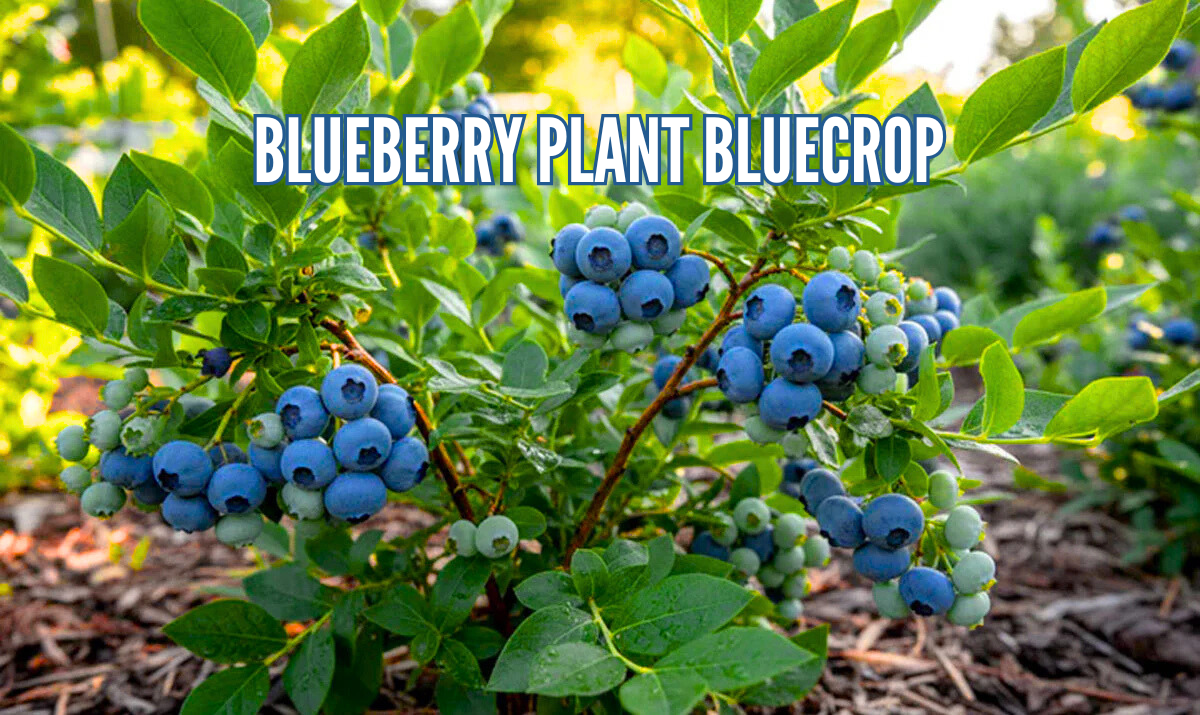
Introduction to Blueberry Plant Bluecrop
The Blueberry Plant Bluecrop is one of the most widely grown and recognized blueberry varieties worldwide. As a cultivar of Vaccinium corymbosum, also known as the northern highbush blueberry, it has become a standard for both home gardeners and commercial fruit growers. This plant is highly valued for its reliable harvests, large and flavorful berries, and strong, healthy structure, making it a favorite for anyone who wants a consistent and high-quality fruit-producing shrub.
Many gardeners consider the Blueberry Plant Bluecrop ideal because it thrives across diverse climates and provides predictable yields year after year. From small backyard gardens to expansive commercial orchards, this variety is admired not only for its fruiting ability but also for its ornamental qualities. Its seasonal transformation—from delicate white blossoms in spring to vivid blue berries in summer and fiery autumn foliage—adds visual appeal while supplying a generous harvest.
The origins of the Blueberry Plant Bluecrop trace back to the United States in the mid-20th century, where agricultural researchers developed blueberry plants that were resilient, productive, and capable of producing high-quality fruit. Over the decades, this cultivar gained a reputation for excellence due to its balance of strong growth, consistent fruiting, and adaptability to varying soil and climate conditions, making it a top choice for both home and commercial growers.
Botanical Family and Background
The Blueberry Plant Bluecrop belongs to the Ericaceae family, sharing its lineage with cranberries, rhododendrons, and azaleas. Plants in this family prefer acidic soils and environments that mimic woodland conditions. Within this family, Bluecrop is part of the Vaccinium genus, which also includes bilberries and huckleberries. Its genetic heritage from northern highbush species gives it essential traits such as cold tolerance, strong root systems, large fruit size, and rich flavor, contributing to its long-lasting popularity among gardeners.
Lifespan and Age
The Blueberry Plant Bluecrop is a long-lived shrub if properly cared for. Newly planted bushes typically begin producing small harvests within one to two years. Full productivity is usually achieved around five to six years. Mature Bluecrop bushes can remain productive for 20 to 30 years or more, making them a reliable long-term investment for both home gardeners and commercial farmers. Some well-maintained plants in commercial orchards continue yielding high-quality berries for decades, highlighting the plant’s resilience and value.
| Feature | Details |
|---|---|
| Plant Name | Blueberry Plant Bluecrop |
| Scientific Name | Vaccinium corymbosum ‘Bluecrop’ |
| Family | Ericaceae |
| Genus | Vaccinium |
| Plant Type | Deciduous fruit shrub |
| Height | 4–6 feet (1.2–1.8 m) |
| Spread | 4–5 feet (1.2–1.5 m) |
| Lifespan | 20–30+ years |
| Fruit Season | Mid-summer (July–August) |
| Yield | 10–20 lbs per mature bush |
| Soil | Acidic, well-drained (pH 4.5–5.5) |
| Sunlight | Full sun to partial shade |
| Flower Color | White to pale pink |
| Leaf Color | Green (summer), red/orange (autumn) |
Height and Size
A mature Blueberry Plant Bluecrop generally reaches four to six feet in height and spreads approximately the same width. In optimal growing conditions, some bushes may grow slightly taller. The upright and rounded growth habit allows branches to support clusters of fruit while ensuring adequate sunlight and air circulation reach the berries. This structure contributes to healthier plants and higher-quality fruit.
Physical Appearance
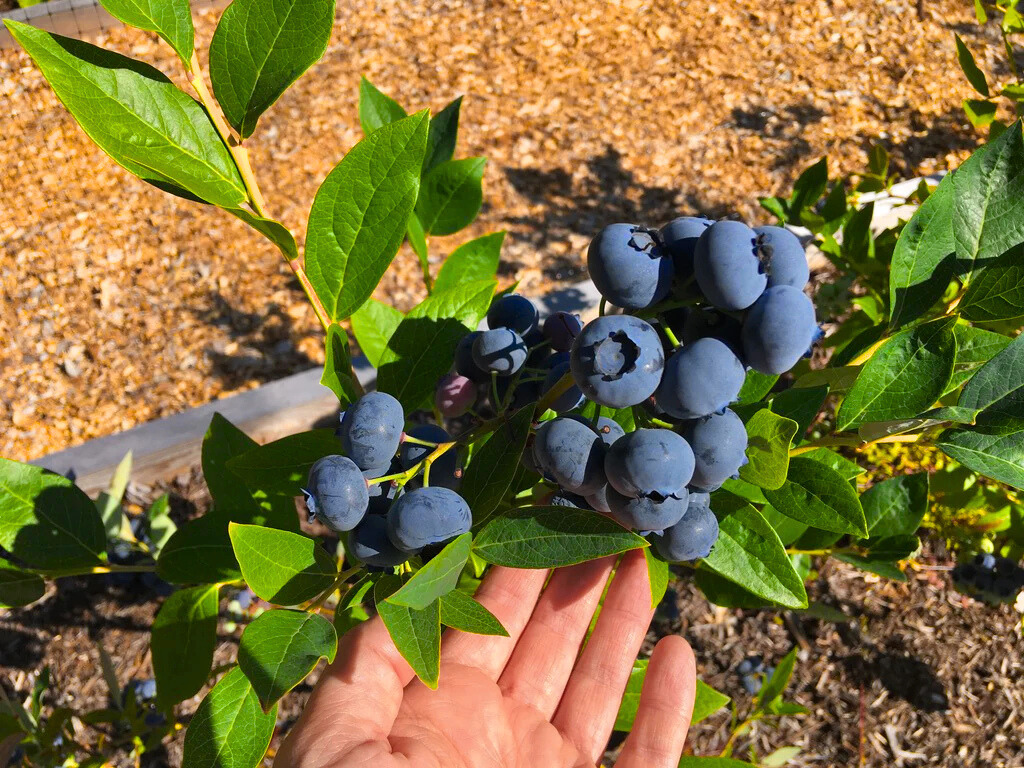
The leaves of the Blueberry Plant Bluecrop are oval and dark green during the growing season, turning brilliant red, orange, or purple in autumn. In spring, the plant produces small bell-shaped flowers, usually white or pale pink, that attract pollinators like bees. These blossoms develop into medium-to-large berries with a deep blue color and light powdery coating. The berries are firm, juicy, and slightly sweet, making them perfect for fresh consumption, baking, or preservation. The combination of beauty and productivity makes Bluecrop a dual-purpose plant for both gardeners and commercial growers.
Fruit Season and Quality
The Blueberry Plant Bluecrop is a mid-season variety, typically ripening in mid-summer around July, depending on local climate. The berries develop gradually over several weeks, allowing multiple harvests. This staggered ripening ensures a steady supply of fresh fruit rather than a single bulk harvest. The berries have a sweet yet mildly acidic flavor, making them ideal for eating fresh, desserts, jams, and smoothies. Their firmness also makes them suitable for storage and transport, enhancing the plant’s commercial value.
Yield and Productivity
The Blueberry Plant Bluecrop is known for its impressive productivity. A mature bush can yield between ten and twenty pounds of berries per season. This consistency has helped Bluecrop become one of the most widely planted blueberry varieties for both commercial farms and home gardens. For growers, it provides dependable revenue and a reliable supply of fruit. For home gardeners, it ensures enough berries to enjoy fresh, healthy fruit throughout the summer season.
Growing Conditions and Lifestyle
Successful cultivation of the Blueberry Plant Bluecrop requires conditions that mimic its natural woodland habitat. The plant grows best in full sun but can tolerate light shade. It prefers acidic, well-drained soil with a pH of 4.5 to 5.5 and requires consistent moisture, particularly during flowering and fruit development. While it adapts well to temperate and cool climates, excessively hot or dry areas may pose challenges. With proper care, Bluecrop remains productive, easy to manage, and highly rewarding to grow.
Companion Plants and Cross-Pollination
The Blueberry Plant Bluecrop grows well alongside other blueberry cultivars, including Duke, Chandler, Berkeley, and Legacy. Planting multiple varieties together can enhance cross-pollination, resulting in larger berries and higher yields. While Bluecrop is self-fertile, the presence of compatible cultivars often improves fruit quality and consistency, which is especially important in commercial production.
Economic Value
The Blueberry Plant Bluecrop holds substantial economic importance. While plants do not have personal wealth, a productive Bluecrop bush represents potential revenue. Fresh blueberries are highly sought after globally, and this cultivar is particularly valuable due to its consistent fruit quality, adaptability, and productivity. Farmers and growers rely on Bluecrop as a dependable crop that delivers both quantity and quality, making it a cornerstone of blueberry farming operations.
Use in Home Gardening
The Blueberry Plant Bluecrop is highly recommended for home gardening due to its ease of care, aesthetic appeal, and abundant fruit production. It adapts well to backyard orchards, raised beds, edible landscaping, and even container gardening. Its combination of beauty and productivity allows gardeners to enjoy both ornamental appeal and a healthy, bountiful harvest.
Bluecrop in Gardening Communities
Though plants do not have social media, the Blueberry Plant Bluecrop frequently features in online gardening communities. Gardeners share tips, photos, and experiences about growing Bluecrop on forums, blogs, and social media platforms. These discussions offer valuable guidance for plant care, harvesting, and improving fruit quality, making Bluecrop a well-documented and celebrated variety among horticultural enthusiasts.
Why Bluecrop Remains Popular
The popularity of the Blueberry Plant Bluecrop is due to its combination of strong growth, high fruit yield, delicious taste, long lifespan, and adaptability. These traits make it a top choice for both commercial growers and home gardeners seeking a reliable, visually appealing, and productive plant. Its dual ornamental and practical value continues to make Bluecrop a standout cultivar in the blueberry world.
Conclusion
In conclusion, the Blueberry Plant Bluecrop is one of the most dependable and productive varieties of highbush blueberry ever developed. Its long lifespan, seasonal beauty, and generous fruiting capacity have earned it a permanent place in gardens and orchards worldwide. From its origins in the Vaccinium corymbosum species to its widespread cultivation today, Bluecrop demonstrates the success of careful plant breeding and agricultural research. Whether grown in a backyard garden or a commercial field, this plant continues to deliver sweet, flavorful berries and aesthetic appeal, making it an excellent choice for anyone looking to grow high-quality blueberries.
FAQs
Q1: What is Blueberry Plant Bluecrop?
A1: It’s a highbush blueberry variety known for sweet, firm, and large berries.
Q2: How tall does Bluecrop grow?
A2: It grows 4–6 feet tall with a similar spread, forming a rounded bush.
Q3: When does Bluecrop produce berries?
A3: Berries ripen in mid-summer, typically around July to August.
Q4: What soil does Bluecrop prefer?
A4: Acidic, well-drained soil with a pH between 4.5 and 5.5 is best.
Q5: How long can a Bluecrop plant live?
A5: With proper care, it can remain productive for 20–30 years.
