

In today’s world, buildings and workplaces are more than just steel, bricks, and floors. What makes a building comfortable, safe, and productive are the everyday services that people experience when they walk in — from clean toilets and tidy offices to friendly reception staff and reliable security. Behind all this stands a professional often overlooked by many — the Soft FM Manager.
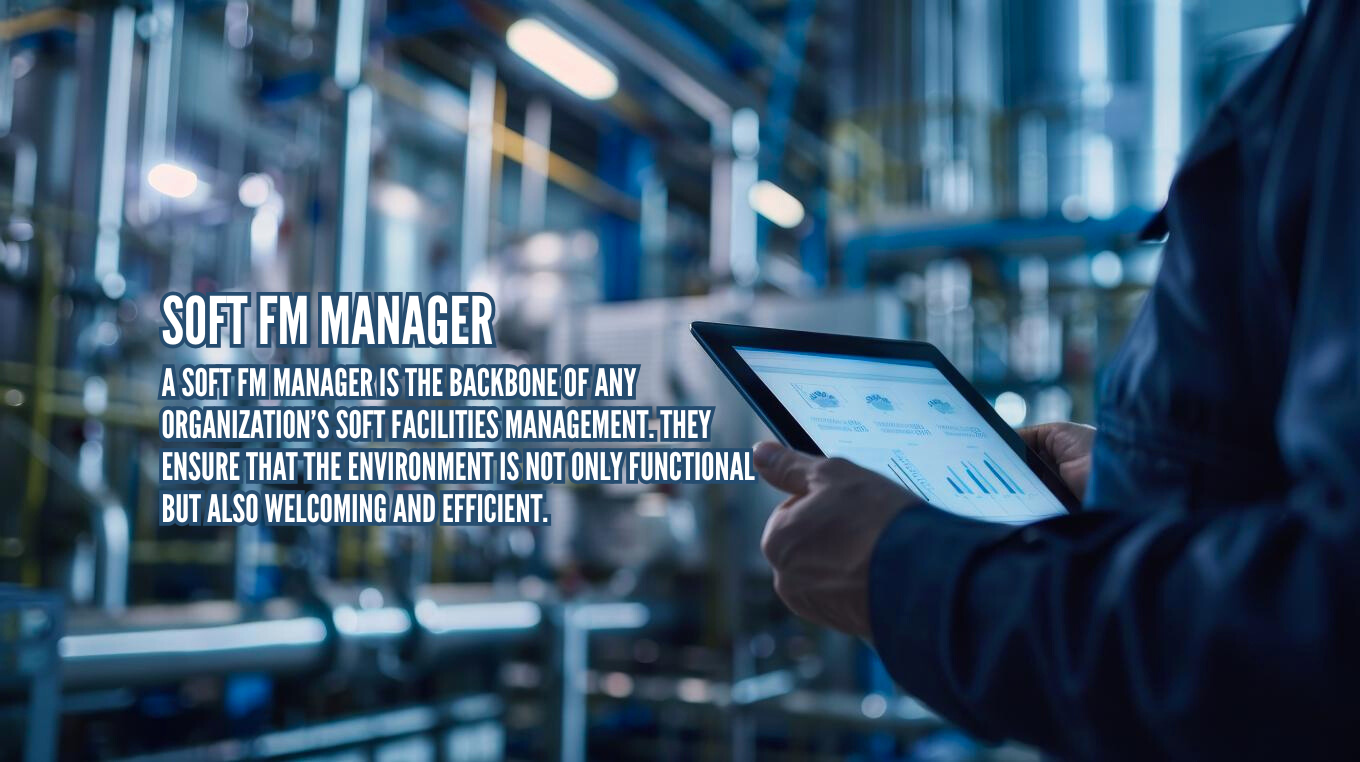
A Soft FM Manager is the backbone of any organization’s soft facilities management. They ensure that the environment is not only functional but also welcoming and efficient. In this article, we explore who a Soft FM Manager is, what Soft FM services entail, the benefits of these services, and how the role shapes modern workplaces. We will also cover skills, qualifications, and the real-world impact of this crucial position.
What Soft FM Means
Soft FM, or Soft Facilities Management, refers to the non-technical services that keep a building running smoothly while making it comfortable for occupants. Unlike hard facilities management, which focuses on technical systems like plumbing or HVAC, Soft FM is primarily people-focused. Services under Soft FM include cleaning, reception management, security, waste collection, landscaping, catering, and pest control. These services might seem simple, but they play a vital role in ensuring daily operations are seamless and stress-free.
The essence of Soft FM is creating an environment where people feel safe, productive, and cared for. Whether it’s a hospital, office, school, or hotel, Soft FM services provide the comfort and hygiene that everyone expects when entering a facility. A well-managed soft service program directly impacts employee morale, visitor satisfaction, and overall operational efficiency.
Soft FM vs Hard FM — A Simple Comparison
Understanding Soft FM is easier when compared with Hard FM. While Soft FM focuses on people-oriented services such as cleaning, reception, security, catering, and landscaping, Hard FM deals with the technical and structural aspects of a building. This includes electrical systems, heating and cooling (HVAC), plumbing, fire safety, and general maintenance.
Soft FM ensures that the human experience inside a building is positive, whereas Hard FM ensures that the building’s physical infrastructure functions reliably. For example, Soft FM guarantees that bathrooms are clean, cafeterias are properly maintained, and security personnel are present and trained. Though these tasks are not always legally mandated, they significantly affect the comfort and productivity of everyone using the facility.
| Attribute | Details |
|---|---|
| Role | Soft FM Manager |
| Age | Varies (usually 30–50+) |
| Education | Degree in Facilities Management, Business, or related field |
| Experience | 5–15 years in facilities or service management |
| Skills | Leadership, Communication, Organization, Budgeting, Health & Safety |
| Responsibilities | Oversee cleaning, security, reception, catering, and waste management |
| Industries | Healthcare, Corporate Offices, Airports, Retail, Education, Government |
| Social Media | LinkedIn profiles for professional networking |
| Net Worth | Not publicly specified; varies by experience and region |
| Impact | Ensures safe, clean, and productive environments for staff and visitors |
Who Is a Soft FM Manager?
A Soft FM Manager is a professional leader responsible for overseeing all Soft FM services within an organization. They are often the behind-the-scenes managers who coordinate people, systems, and processes to ensure that every service is delivered efficiently and effectively.
Soft FM Managers typically operate in environments such as corporate offices, hospitals, shopping centers, airports, and government buildings. They often report to senior operational leaders and work closely with both in-house staff and external contractors. The manager’s goal is to maintain smooth service delivery, minimize disruptions, and enhance the overall experience for all occupants. Their responsibilities require a blend of leadership, strategic planning, and hands-on management.
What a Soft FM Manager Does (Day-to-Day)
A Soft FM Manager’s daily routine involves multiple responsibilities. They oversee service delivery by monitoring cleaning, security, reception, catering, and waste management to ensure all tasks meet quality standards. Any deviations are addressed promptly, often through corrective measures or additional staff training.
Another key function is managing teams and contractors. Soft FM Managers recruit, train, and supervise staff, while coordinating with external service providers to ensure contracts are followed and standards are maintained. They are responsible for resolving any conflicts or operational issues that arise, keeping teams motivated, and maintaining service quality consistently.
Budgeting and planning are also critical tasks. A Soft FM Manager allocates resources efficiently, controls costs, and forecasts operational needs. This includes preparing for seasonal requirements, such as additional cleaning during flu season or managing extra security during large events.
Compliance and safety remain top priorities. Even though Soft FM services are non-technical, they must adhere to health, safety, environmental, and waste management regulations. Managers ensure that all teams operate within legal standards and company policies, which is particularly important in healthcare, education, and public sectors.
Finally, continuous improvement is a major part of the role. Soft FM Managers gather feedback, review performance metrics, and implement new processes to enhance service quality. Many rely on facilities management software to track tasks, manage teams, and optimize service delivery.
Core Skills and Qualifications of a Soft FM Manager
To excel in this role, a Soft FM Manager must possess strong leadership skills to guide large teams and ensure high performance. Effective communication is equally important, as they interact with staff, contractors, management, and clients daily. Organizational skills are essential for planning, scheduling, and coordinating multiple services simultaneously.
Knowledge of health and safety regulations is vital to maintain compliance and protect both staff and visitors. Budget and resource management skills are required to optimize operations and control costs effectively.
Formal qualifications often include degrees in facilities management, business administration, or related fields. Professional certifications and prior experience in operations or service management can provide a significant advantage in this competitive field.

Benefits of Soft FM — Why It Matters
Soft FM services directly influence employee productivity and satisfaction. A clean, organized, and secure environment reduces stress and promotes focus. Employees are more motivated when they know their workplace is maintained with care, which leads to higher morale and overall workplace satisfaction.
Health and safety benefits are equally important. Effective cleaning, waste management, and hygiene practices reduce the risk of infections and workplace hazards, particularly in hospitals, schools, and public spaces. This proactive approach protects both staff and visitors while promoting a culture of safety.
Soft FM also contributes to a positive brand image. Visitors, clients, and customers notice the quality of services immediately. Clean, well-maintained spaces, friendly reception staff, and visible security measures create a lasting first impression that reflects positively on the organization.
Cost efficiency is another advantage. Properly managed Soft FM services reduce operational disruptions, prevent costly emergencies, and optimize the use of resources. Efficient service delivery minimizes waste, lowers expenses, and ensures that organizational goals are met without unnecessary spending.
When and Where Soft FM Managers Work
Soft FM Managers are employed in diverse sectors. Healthcare organizations rely on them to maintain hygiene and ensure patient and visitor safety. Airports and transportation hubs employ Soft FM Managers to coordinate cleaning and security for high-traffic areas. Corporate offices depend on them to create productive, comfortable environments for employees.
Retail and hospitality businesses use Soft FM Managers to enhance customer experience, ensuring spaces are clean, welcoming, and safe. Government offices and educational institutions rely on them to maintain accessibility and security for public use. Salaries, job titles, and benefits vary by region, but the importance of the role is universal across all sectors.
Soft FM — Real Impact on People’s Lives
Soft FM goes beyond checklists and schedules. It directly affects how people feel when entering a building. Clean, secure, and well-maintained spaces give occupants confidence and comfort. The subtle details — like a tidy café, a smiling receptionist, or visible security — all contribute to a positive experience.
Soft FM Managers act as the bridge between infrastructure and human experience. By coordinating services effectively, they ensure that buildings are not only functional but also welcoming and pleasant for everyone. Their work touches the daily lives of countless people, often without being noticed, yet it is essential for smooth operations.
Conclusion
The Soft FM Manager plays a crucial role in modern facilities management. They ensure that buildings are operational, safe, and enjoyable for occupants. By overseeing services such as cleaning, security, reception, and catering, they directly influence employee productivity, visitor satisfaction, and overall organizational success.
Understanding the role of a Soft FM Manager provides insight into how workplaces function beyond the physical infrastructure. Their contribution highlights the importance of Soft FM services in creating environments where people can thrive. For those interested in facilities management careers or anyone curious about the unseen work behind every well-run building, the Soft FM Manager is a role that truly makes a difference.
FAQs
Q: What does a Soft FM Manager do?
A: A Soft FM Manager oversees non-technical services like cleaning, security, reception, catering, and waste management to ensure smooth daily operations in a facility.
Q: What skills are needed to be a Soft FM Manager?
A: Leadership, communication, organization, budgeting, and knowledge of health and safety standards are key skills for this role.
Q: What industries employ Soft FM Managers?
A: Healthcare, corporate offices, airports, retail, education, and government buildings commonly employ Soft FM Managers.
Q: How does Soft FM benefit a workplace?
A: Soft FM improves comfort, safety, hygiene, employee productivity, visitor satisfaction, and overall operational efficiency.
Q: Is formal education required to become a Soft FM Manager?
A: While degrees in facilities management, business, or related fields help, experience in operations and service management is highly valued.
