


Introduction to Levitt Bernstein Architects
Levitt Bernstein Architects is a prestigious architecture, landscape architecture, and urban design practice based in the United Kingdom. Established in 1968 by the visionary architects David Levitt and David Bernstein, the firm has dedicated over five decades to creating socially responsible, innovative, and sustainable designs that improve the quality of life for communities. Their offices in London and Manchester allow them to manage projects across the UK, serving a wide spectrum of clients, from local councils to cultural institutions.
The firm’s reputation is built on more than just impressive buildings; Levitt Bernstein Architects is recognized for its commitment to addressing social challenges, integrating community engagement, and promoting environmentally responsible solutions. Every project emphasizes functionality, beauty, and long-term sustainability, demonstrating how architecture can directly improve daily life. Their approach ensures that design is not only visually striking but also meaningful, human-centered, and contextually appropriate for the communities they serve.
Founders: David Levitt and David Bernstein
The story of Levitt Bernstein Architects begins with two passionate visionaries, David Levitt and David Bernstein, who were motivated by the urgent need to address the housing crisis in London during the 1960s. Both architects believed that design could be a vehicle for social change. Their shared vision of creating better living environments for ordinary people led them to establish the practice with a clear mission: to improve social housing standards while embracing high-quality architecture.
From the start, the firm focused on community-centered and socially inclusive projects. By tackling housing challenges with innovative design, Levitt Bernstein Architects demonstrated that architecture could go beyond aesthetics and contribute to social equity. Even today, the principles established by the founders continue to shape the firm’s identity. Their legacy ensures that every project reflects the values of compassion, functionality, and attention to social and environmental needs.
Philosophy: People-First and Sustainable Design
At the core of Levitt Bernstein Architects is a people-first design philosophy. The firm prioritizes understanding the real needs of communities, end-users, and stakeholders. By engaging users at every stage of the design process, they ensure that buildings and spaces are not just visually appealing but also practical, comfortable, and enriching to daily life. This participatory approach distinguishes Levitt Bernstein Architects from firms that focus solely on architectural form.
Sustainability is another cornerstone of their philosophy. From low-energy housing to eco-conscious urban design, projects by Levitt Bernstein Architects emphasize reducing carbon footprints, enhancing ecological resilience, and integrating green spaces. Their commitment to sustainability goes beyond technical efficiency, focusing also on long-term livability, health, and well-being. In every project, they strive to balance social, environmental, and economic factors, proving that architecture can be both beautiful and responsible.
| Category | Details |
|---|---|
| Name | Levitt Bernstein Architects |
| Founded | 1968 |
| Founders | David Levitt, David Bernstein |
| Headquarters | London & Manchester, UK |
| Industry | Architecture, Urban Design, Landscape Architecture |
| Specialization | Housing, Cultural Buildings, Education, Healthcare, Urban Regeneration |
| Philosophy | People-first, sustainable, socially responsible design |
| Notable Projects | Ocean Estate, Plashet Road, Vaudeville Court |
| Awards | RIBA Awards, BD Architect of the Year, Housing Architect of the Year |
| Website | levittbernstein.co.uk |
Architecture, Urban Design, and Landscape
Levitt Bernstein Architects excels in combining architecture, urban design, and landscape architecture to create cohesive and contextually aware environments. Their projects span multiple sectors, including housing, education, healthcare, cultural buildings, and urban regeneration. The integration of these disciplines allows the firm to address the broader environment, creating spaces where people can live, work, and interact harmoniously.
Through urban masterplanning, Levitt Bernstein Architects contributes to the long-term shaping of neighborhoods and public spaces. By integrating landscape design, they ensure that outdoor areas complement the built environment, providing greenery, recreational spaces, and ecological benefits. This holistic approach ensures that their projects not only look aesthetically pleasing but also function effectively within the urban context, benefiting both residents and the wider community.
Notable Housing Projects
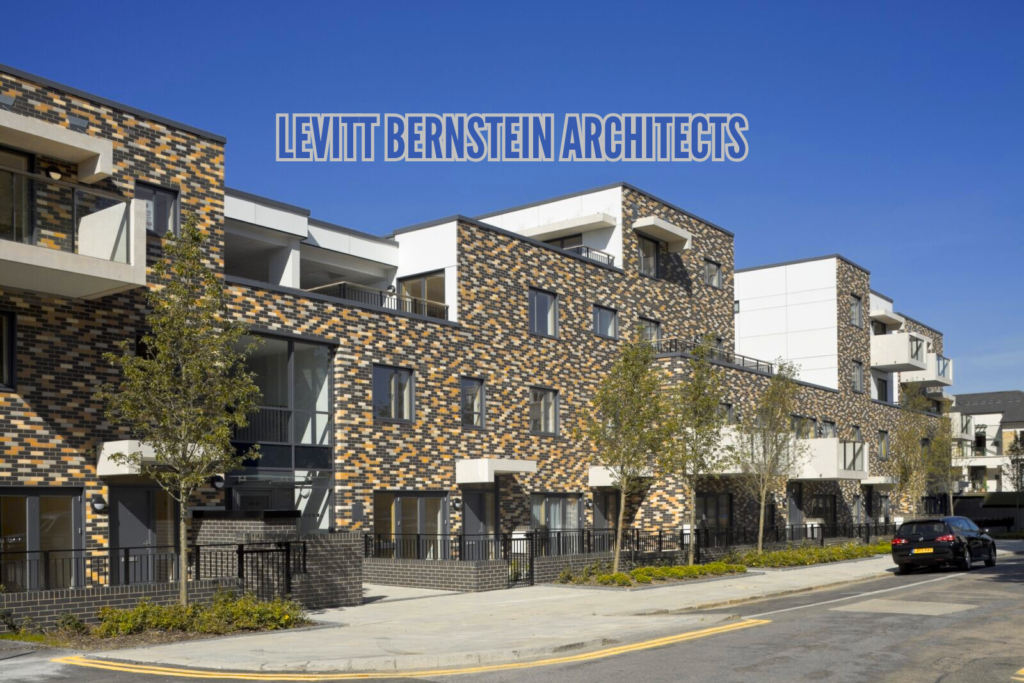
Ocean Estate Regeneration in East London is a landmark project by Levitt Bernstein Architects. The firm refurbished over 1,200 existing homes, introduced new units, and created retail and community spaces. The transformation revitalized a previously struggling neighborhood, making it safer, more connected, and visually appealing. Through careful planning, the firm successfully balanced preservation with modern needs, demonstrating their expertise in large-scale urban regeneration.
Another exemplary project is Plashet Road, a Passivhaus-certified housing development in Upton Park. With 65 family homes and thoughtfully landscaped courtyards, Levitt Bernstein Architects created energy-efficient homes that encourage community interaction. The project demonstrates the firm’s ability to deliver environmentally sustainable and socially engaging housing.
Vaudeville Court in Islington showcases the firm’s talent in designing high-quality, compact, and affordable housing. Every aspect, from layout to outdoor space, maximizes usability and comfort, reflecting Levitt Bernstein Architects’ attention to detail and commitment to enhancing residents’ well-being. These projects highlight the firm’s ongoing dedication to improving housing standards while integrating sustainability and social responsibility.
Awards and Recognition
Over the years, Levitt Bernstein Architects has been recognized with numerous prestigious awards for excellence in architecture, housing, and urban design. Their accolades include RIBA Awards, BD Architect of the Year Awards, and recognition in housing and public realm competitions.
These awards underscore the firm’s consistent ability to deliver high-quality, impactful projects. The recognition reflects not only aesthetic achievement but also Levitt Bernstein Architects’ focus on social value, sustainability, and community engagement, solidifying their reputation as one of the UK’s leading architecture practices.
Research and Advocacy
Levitt Bernstein Architects is more than a design firm; it is a research-driven practice actively contributing to policy, guidelines, and national studies, particularly around housing standards and sustainable urban development. Their work influences broader architectural and planning standards across the UK, ensuring that their impact extends beyond individual projects.
By engaging in research and advocacy, Levitt Bernstein Architects shapes conversations around housing quality, urban regeneration, and environmental sustainability. Their insights help guide policymakers, local authorities, and developers toward creating more equitable and sustainable communities.
People and Culture
The culture within Levitt Bernstein Architects is built on collaboration, diversity, and social responsibility. While personal details of staff remain private, the firm is known for its inclusive approach and interdisciplinary teamwork. Architects, landscape specialists, and urban designers work together to create projects that are technically excellent and socially valuable.
The firm also invests in apprenticeships and professional development, encouraging young talent to enter the architecture field. Through these initiatives, Levitt Bernstein Architects fosters the next generation of socially conscious and skilled designers.
Future Direction
Looking forward, Levitt Bernstein Architects continues to prioritize sustainability, innovation, and community engagement. The firm is increasingly focused on net-zero design, Passivhaus-certified housing, and regeneration projects that combine environmental responsibility with social impact.
By collaborating with housing authorities, councils, and community organizations, Levitt Bernstein Architects ensures that future neighborhoods are resilient, connected, and livable. Their ongoing work demonstrates a commitment to shaping environments that are not only aesthetically compelling but also socially and environmentally sustainable.
Conclusion:
In an era marked by rapid urban growth, climate challenges, and housing shortages, Levitt Bernstein Architects remains a leading force in socially and environmentally responsible architecture. Through thoughtful design, research-driven advocacy, and community engagement, the firm creates spaces that enhance the lives of people and communities.
From award-winning housing projects to sustainable urban masterplans, Levitt Bernstein Architects exemplifies how architecture can combine functionality, beauty, and social purpose. Their work continues to inspire future generations while setting a standard for inclusive, sustainable, and human-centered design.
FAQs
Q: What is Levitt Bernstein Architects known for?
A: Levitt Bernstein Architects is known for designing sustainable, people-focused housing, cultural buildings, and urban spaces across the UK.
Q: When was Levitt Bernstein Architects founded?
A: The firm was founded in 1968 by architects David Levitt and David Bernstein.
Q: Where are the offices of Levitt Bernstein Architects?
A: They have offices in London and Manchester, serving projects across the UK.
Q: What types of projects does Levitt Bernstein Architects work on?
A: They work on housing, education, healthcare, cultural spaces, and urban regeneration projects.
Q: What makes Levitt Bernstein Architects unique?
A: Their unique approach combines community engagement, sustainability, and integrated design to create long-lasting, meaningful spaces.
