

In May 2025, Sky Documentaries released the three‑part series titled Bibaa and Nicole documentary: Murder in the Park, which examines one of the most tragic and shocking crimes in recent British history. The documentary explores the brutal murders of sisters Bibaa Henry and Nicole Smallman, while also examining the disturbing failures in police procedures and the wider systemic issues revealed by this tragedy. (True Vision TV)
This Bibaa and Nicole documentary has received widespread acclaim for its sensitive storytelling, giving voice to the sisters’ family, friends, and the professionals involved. Unlike many true-crime documentaries, it does not merely recount the events of the murder, but also delves into the emotional trauma, institutional failings, and racial and social dimensions that surrounded the case. (True Vision TV)
Who Were Bibaa and Nicole?
Bibaa Henry, born on 5 June 1974, worked as a committed social worker, dedicating her life to helping others. She was known for her warmth, sense of humor, and loving personality. Her younger sister, Nicole Smallman, born on 3 August 1992, was a gifted freelance photographer, passionate about capturing the world around her through the lens of her camera. Though from different generations, the sisters shared a close bond that was evident in every interaction. (Wikipedia)
The Bibaa and Nicole documentary emphasizes their personalities, showcasing how Bibaa’s nurturing nature complemented Nicole’s adventurous spirit. Friends and family describe them as inseparable, always supporting one another through life’s highs and lows. On 6 June 2020, this strong bond was cruelly ended when both sisters were murdered in Fryent Country Park, London. Bibaa was 46 years old, and Nicole was 27, and their untimely deaths shocked the nation. (Wikipedia)
The Night of the Tragedy
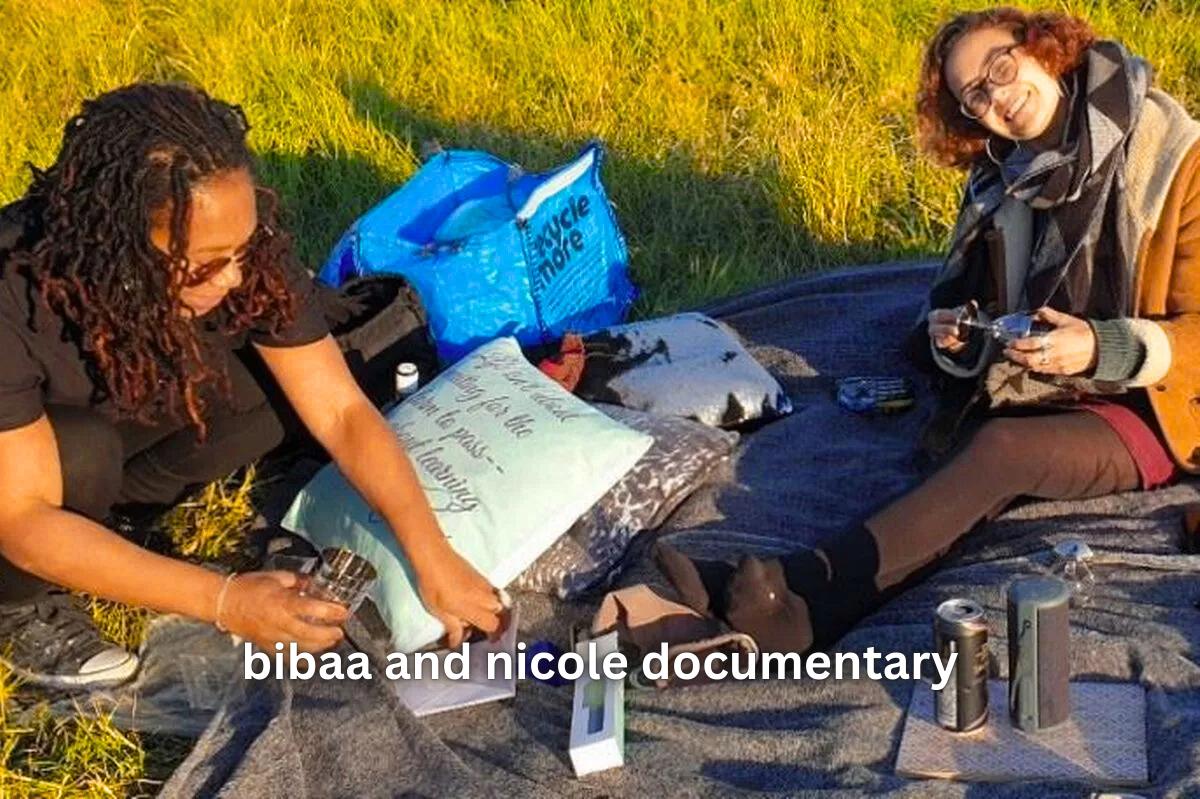
On the night of the murders, the sisters were celebrating Bibaa’s birthday with friends in the park as COVID-19 restrictions were easing. The mood was festive, with friends documenting the evening with photos, dancing, and enjoying the natural beauty of the park. (Squarespace)
Around 1:15 a.m., Bibaa and Nicole stayed behind, dancing under fairy lights and smiling in photographs taken by their friends. Later, both sisters’ phones became unreachable. Friends and family quickly became worried and contacted the police, but the Bibaa and Nicole documentary highlights the critical delay in the response — a key factor that caused public outrage and became central to discussions on police accountability. (True Vision TV)
Discovery of Their Bodies
After 36 hours with no updates from authorities, Nicole’s partner and family members organized a search of Fryent Country Park. Tragically, they discovered the sisters’ bodies hidden beneath trees, both having suffered multiple stab wounds. (True Vision TV)
The police were only alerted after this discovery. The Bibaa and Nicole documentary provides a detailed look at how the delay in response compounded the family’s suffering, highlighting systemic issues in the handling of missing persons cases. The documentary is particularly sensitive in depicting the emotional impact of these failings on the sisters’ loved ones. (True Vision TV)
| Name | Bibaa Henry | Nicole Smallman |
|---|---|---|
| Date of Birth | 5 June 1974 | 3 August 1992 |
| Age at Death | 46 | 27 |
| Occupation | Social Worker | Freelance Photographer |
| Height | 5’5” | 5’4” |
| Family | Mother: Mina Smallman; Siblings | Mother: Mina Smallman; Siblings |
| Personality | Warm, nurturing, outgoing | Creative, adventurous, energetic |
| Known For | Community work and helping others | Photography and creative projects |
| Social Media | Active on community advocacy platforms | Shared photography on Instagram |
| Notable Story | Murdered in Fryent Country Park (2020) | Murdered in Fryent Country Park (2020) |
The Arrest and Trial
The investigation led to the arrest of 18-year-old Danyal Hussein, whose actions were reportedly influenced by extreme occult beliefs. He was convicted in 2021 at the Old Bailey and sentenced to life imprisonment with a minimum of 35 years, ensuring he will never be free to harm others. (Wikipedia)
The Bibaa and Nicole documentary covers the courtroom proceedings, showing how the trial unfolded and the emotional toll it took on the family. It provides a human perspective behind the legal facts, emphasizing the real-life pain behind headlines. (True Vision TV)
Police Misconduct and Public Outrage
One of the most shocking elements explored in the Bibaa and Nicole documentary is the behaviour of some officers at the crime scene. Officers were found to have taken photographs of the sisters’ bodies and shared them on WhatsApp with other personnel. This shocking misconduct sparked national outrage and devastated the family. (Wikipedia)
Two officers were eventually convicted for misconduct in public office, highlighting serious flaws in police culture and accountability. The Bibaa and Nicole documentary draws attention to these institutional failings, prompting discussions about reform and public trust in law enforcement. (True Vision TV)
What the Bibaa and Nicole Documentary Reveals
The documentary goes beyond reporting events, instead providing a human and social perspective. It includes interviews with the sisters’ mother, Mina Smallman, friends, and detectives involved in the case. Through these accounts, viewers gain insight into the sisters’ personalities, their passions, and the profound impact their loss had on those around them. (True Vision TV)
The Bibaa and Nicole documentary also examines broader societal issues:
- The delayed police response and lack of accountability.
- Police misconduct and ethical violations.
- Racial bias and systemic misogyny.
- The emotional trauma inflicted on the family and community.
This deep, layered storytelling ensures the documentary is not just a true-crime story but also a reflection on justice, empathy, and the responsibilities of institutions. (True Vision TV)
Behind the Scenes
Produced by True Vision TV and directed by Alex Thomas, the Bibaa and Nicole documentary is composed of three 50-minute episodes, featuring never-before-seen police recordings and personal interviews. Released on 11 May 2025, it is available for streaming on Sky Documentaries and NOW. (Sky)
The documentary has been praised for its human touch, respectful storytelling, and the way it honors the victims’ lives while holding institutions accountable. (True Vision TV)
Critical Acclaim and Legacy
The Bibaa and Nicole documentary received multiple awards in 2025, including Grierson Awards for Best Crime and Justice Documentary. Judges highlighted its “victim-led approach” and the nuanced exploration of systemic failings and social issues. (True Vision TV)
The documentary ensures that the sisters’ lives are remembered and that their story continues to educate the public about institutional accountability, racial justice, and social responsibility. (True Vision TV)
Personal Details Highlighted in the Documentary
The Bibaa and Nicole documentary also shares more about the sisters’ personal lives:
- Bibaa Henry: 46 years old at death, social worker, known for her height (5’5”), warm and outgoing nature, active on social media advocating community work.
- Nicole Smallman: 27 years old at death, freelance photographer, height 5’4”, creative personality, enjoyed photography sharing on Instagram.
- Their family, including mother Mina Smallman, has been prominently featured advocating for justice and reform.
These personal details make the documentary deeply human and relatable, allowing viewers to see the sisters as real people rather than just victims. (True Vision TV)
Why You Should Watch the Bibaa and Nicole Documentary
Bibaa and Nicole documentary is not just another true-crime series. It’s a human story, a lesson on justice, accountability, and the social challenges that exist in modern policing. The documentary honors the sisters’ lives, provides closure to the family through storytelling, and educates viewers on systemic reforms needed in society. (True Vision TV)
For anyone seeking a moving, informative, and socially conscious documentary, the Bibaa and Nicole documentary is a must-watch. Its emphasis on personal stories, systemic reflection, and institutional accountability makes it not only compelling but essential viewing.
Conclusion
The Bibaa and Nicole documentary is more than a recounting of a tragic crime; it is a powerful exploration of human lives, systemic failures, and the pursuit of justice. Through its sensitive storytelling, it honors the sisters’ personalities, their bond, and the love of their family while exposing the shocking police misconduct that followed their deaths.
By watching this documentary, viewers gain not only an understanding of the events but also a deeper appreciation for the importance of accountability, social awareness, and empathy. It reminds us that behind every headline are real people with dreams, relationships, and stories that deserve respect and remembrance.
The documentary leaves a lasting impact — a call to reflect, learn, and strive for a society where tragedies like this are met with timely justice and dignity, not institutional failure. For anyone interested in true crime, social issues, or human stories, the Bibaa and Nicole documentary is essential viewing.
FAQs
Q1: What is the Bibaa and Nicole documentary?
A: It is a three-part true-crime series that explores the murders of sisters Bibaa Henry and Nicole Smallman, highlighting police failures and social issues.
Q2: When was the Bibaa and Nicole documentary released?
A: The documentary premiered on Sky Documentaries on 11 May 2025.
Q3: Who were Bibaa and Nicole?
A: Bibaa Henry was a 46-year-old social worker, and Nicole Smallman was a 27-year-old freelance photographer, both tragically murdered in Fryent Country Park.
Q4: Where can I watch the Bibaa and Nicole documentary?
A: It is available on Sky Documentaries and the NOW streaming platform.
Q5: Why is the Bibaa and Nicole documentary important?
A: It honors the sisters’ lives, exposes police misconduct, and raises awareness of racial bias, institutional failures, and social justice issues.
