

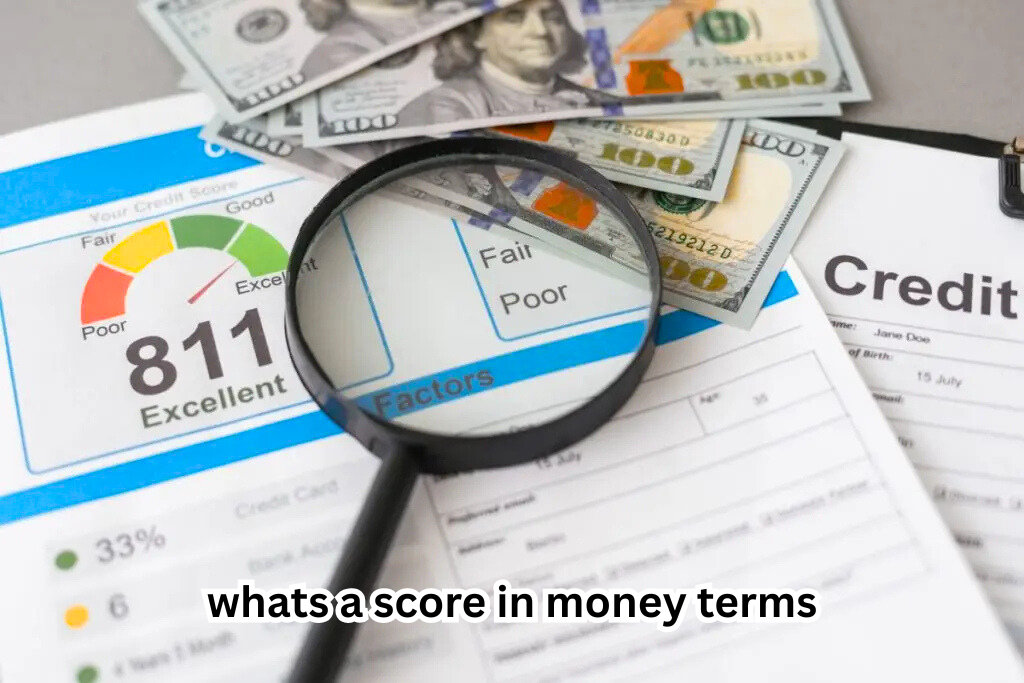
In everyday life, we often hear words like tenner for £10 or fiver for £5 in British money slang. But the term score can leave many people scratching their heads. If someone asks, “lend me a score”, what do they really mean? This is where understanding Whats a Score in Money Terms becomes important. Is it a reference to sports, or is it a historical way to talk about money?
This article explores Whats a Score in Money Terms, traces its historical origins, examines modern usage, and explains why it still appears in literature, culture, and conversation today. By the end, you’ll fully understand the term, its history, and how to use it naturally.
Definition: Whats a Score in Money Terms
In slang, a score means twenty units of money. Most commonly, this refers to £20 in Britain or $20 in the United States. While not a formal financial term, it has been used in casual speech for centuries.
For example:
“That meal cost me a score.”
In this sentence, the person spent £20, showing exactly Whats a Score in Money Terms. This usage may feel old-fashioned, but it is still recognized in literature, historical documents, and certain cultural contexts. Knowing it also helps decode older texts or creative dialogue.
Historical Origins of a Score
The word score originally had nothing to do with money or sports. It comes from the Old Norse word skor, meaning a notch or mark cut into wood.
In earlier times, shepherds, merchants, and traders used sticks or tally boards to keep track of livestock, goods, or coins. Each notch represented one unit, and once they reached twenty notches, that group was called a score.
Counting in multiples of twenty is called a vigesimal system. This system was widely used in ancient cultures, including the Celts and Germanic peoples. It also influenced phrases like Abraham Lincoln’s “four score and seven years ago”, which means 87 years (4 × 20 + 7).
Understanding the origin helps explain exactly Whats a Score in Money Terms and why it became a practical way to refer to twenty units of currency.
| Attribute | Details |
|---|---|
| Term | Score |
| Meaning | 20 units of money (e.g., £20 or $20) |
| Origin | Old Norse word skor, meaning a notch |
| Usage | British and historical money slang |
| Modern Relevance | Informal, mostly historical or literary usage |
| Examples | “I owe you a score” = I owe £20 |
| Fun Fact | Appears in Lincoln’s Gettysburg Address as a unit of 20 years |
| Category | Finance / Money Slang |
| Cultural Note | Popular in British literature, historical texts, and creative dialogue |
Score in Modern Money Slang
Although it’s no longer common in banking or finance, the word score is still used informally in parts of the UK.
Older generations, writers, or those who enjoy playful language might say:
“Can you lend me a score until payday?”
This means £20 is needed and is another example of Whats a Score in Money Terms. Some slang lists even call a score a “Bobby”, referencing the famous footballer Bobby Moore.
Even though modern British slang often prefers twenty quid, fiver, or tenner, the term score remains a historically interesting phrase that appears in literature, storytelling, and casual speech.
How Score Shows Language Evolution
Language evolves constantly. Many English speakers today may never have used the word score to describe money, yet its survival demonstrates how words carry cultural and historical weight.
Before decimal currency and widespread literacy, people often counted items in twenties (score) or twelves (dozen). Words like score act as linguistic time capsules, revealing how people historically managed wealth, goods, and trade.
Even in literature and film, using score adds authenticity and historical depth, giving dialogue a nostalgic and culturally rich flavor. It shows us the practical side of Whats a Score in Money Terms in real-life historical contexts.
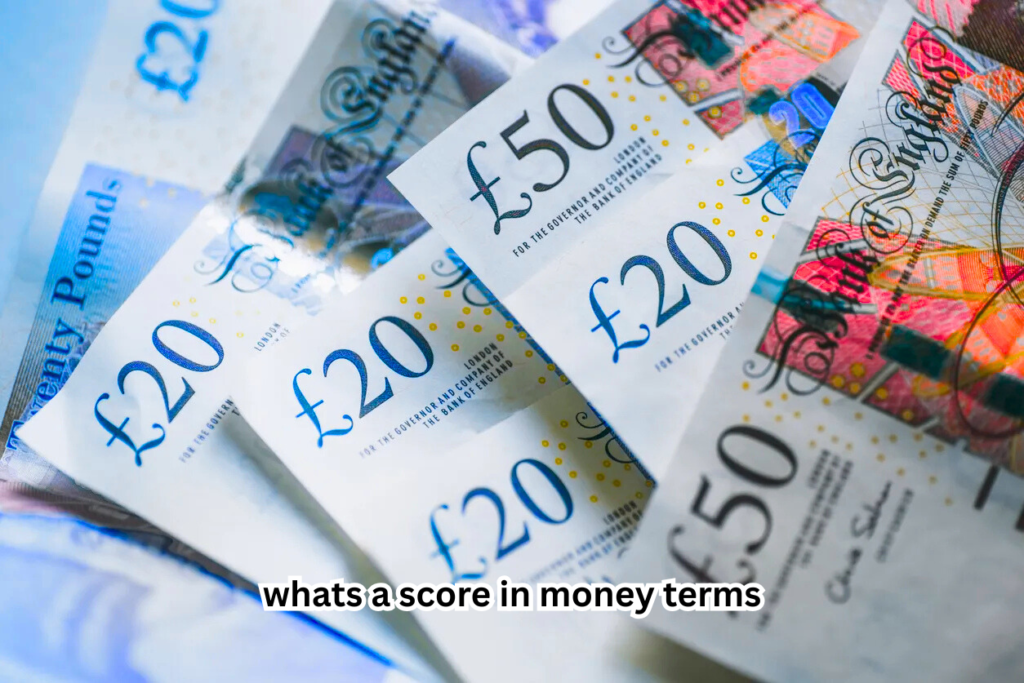
Practical Examples of Score in Money
Here are some realistic ways the word score has been used:
- “I’ll pay you back a score on Friday.” → Repaying £20.
- “Tickets were only a score each.” → Each ticket costs £20.
- “He borrowed a score to get lunch.” → Borrowed £20.
Each example shows Whats a Score in Money Terms in casual or historical speech. While it may seem quaint, it works naturally in storytelling, dialogue, and everyday informal usage.
Score Compared With Other British Money Slang
British English is full of colorful slang terms for money. Here’s how score compares:
| Term | Meaning |
|---|---|
| Fiver | £5 |
| Tenner | £10 |
| Score | £20 |
| Pony | £25 |
| Ton | £100 |
Understanding these slang terms helps explain Whats a Score in Money Terms and gives insight into British culture, rhyming slang, and historical counting systems.
Score Around the World
Outside the UK, score is rarely used for money. In the US, the term appears mostly in historical contexts, such as Lincoln’s Gettysburg Address.
Today, most English speakers simply say twenty pounds or twenty dollars. Yet, knowing Whats a Score in Money Terms can help decode older texts, films, novels, and historical documents. It also adds charm when reading historical novels or British storytelling.
Fun Facts About Score
- Four score and seven years ago = 87 years (4 × 20 + 7).
- In some British slang, a score is also called a “Bobby”, named after footballer Bobby Moore.
- The vigesimal system, counting by twenties, influenced multiple ancient cultures.
- The word score appears in novels, letters, and poems for centuries.
- In the 18th and 19th centuries, score was sometimes used in informal contracts or bills to indicate twenty pounds or dollars.
These examples help illustrate Whats a Score in Money Terms in both historical and cultural contexts.
Why Understanding Score Matters
Learning the term score is about more than numbers:
- Cultural literacy: Recognize historical language in literature, media, and letters.
- Historical insight: Understand how trade, counting, and money practices evolved.
- Language appreciation: Enjoy quirky slang and see the playful side of English.
- Storytelling skills: Using or recognizing score can enrich dialogue and narrative style.
Even today, understanding Whats a Score in Money Terms adds historical authenticity and intellectual curiosity to your vocabulary.
Score in Popular Culture
The term score occasionally appears in movies, TV shows, and novels to mean twenty pounds or dollars. Historical dramas, crime novels, and British TV shows often use score for authenticity.
For example:
“Fetch me a score from the bank; we need to settle the bill.”
Such dialogue subtly educates audiences about older counting and money traditions and helps them understand Whats a Score in Money Terms in a natural way.
Final Thoughts
Referring to £20 as a score may feel quaint today, but it is a fascinating piece of English linguistic heritage. The word connects history, trade, culture, and language in a single term.
Next time someone mentions a score, you’ll know they mean twenty pounds or dollars, and you’ll also appreciate the centuries of cultural and historical background embedded in that word. Understanding Whats a Score in Money Terms not only enriches your vocabulary but also provides insight into how people lived, counted, and spoke in the past.
FAQs
Q1: What does a score mean in money terms?
A: A score means 20 units of money, usually £20 or $20 depending on the currency.
Q2: Where does the term score come from?
A: It comes from the Old Norse word “skor”, meaning a notch. People counted items in groups of twenty, which became a score.
Q3: Is score still used today in money slang?
A: Yes, but mostly in historical contexts, literature, or informal British speech. Modern speakers often say “twenty pounds” instead.
Q4: How do I use score in a sentence?
A: Example: “I owe you a score for lunch,” which means you owe £20.
Q5: How is score different from other slang like fiver or tenner?
A: A fiver = £5, a tenner = £10, and a score = £20. Score is used for larger informal amounts.
