


Membership CRM Software-based organizations operate very differently from traditional businesses. Associations, clubs, nonprofits, alumni networks, and professional bodies rely on long-term relationships rather than one-time transactions. Managing these relationships manually or with generic tools often leads to inefficiencies, data loss, and declining engagement. This is where membership CRM software becomes essential.
This article explores what membership CRM software is, how it works, why it matters, and how organizations benefit from it, offering a clear and well-researched understanding for decision-makers and administrators.
Introduction to Membership CRM Software
Membership CRM software is a specialized digital system designed to manage, organize, and nurture relationships between organizations and their members. Unlike general CRM tools that focus primarily on sales pipelines and customer acquisition, membership CRM software supports the entire member lifecycle, from onboarding to renewal and long-term engagement.
At its core, a membership CRM acts as a central intelligence hub. It stores member data, tracks interactions, automates administrative tasks, and provides actionable insights. As membership organizations grow, spreadsheets and disconnected tools quickly become unsustainable. Membership CRM software replaces fragmentation with structure and clarity.
What Is Membership CRM Software?
Membership CRM software is a platform built specifically for organizations that depend on recurring memberships rather than transactional customers. It combines contact management, membership tracking, billing, communication, and engagement analytics into a single system.
Each member is treated as a long-term relationship, not a one-time lead. The software records personal details, membership levels, payment history, event participation, volunteer activity, and communication preferences. This enables organizations to understand members as individuals rather than anonymous records.
In professional terms, membership CRM software transforms relationship management from reactive administration into proactive engagement.
Why Membership Organizations Need a Dedicated CRM
Membership organizations face unique operational challenges. They must manage renewals, dues, benefits, events, certifications, and communication—often with limited staff and resources. Generic CRMs rarely account for these needs.
A dedicated membership CRM is designed to:
- Support recurring memberships
- Track engagement over time
- Automate renewal and retention workflows
- Enable personalized communication
- Provide data-driven insights for leadership
Without such a system, organizations risk member churn, inaccurate records, and poor engagement experiences.
| Field | Details |
|---|---|
| Name | Membership CRM Software |
| Type | Customer Relationship Management System |
| Industry Use | Associations, Nonprofits, Clubs, Membership Organizations |
| Purpose | Manage members, renewals, engagement, and communication |
| Founded | Early 2000s (category emergence) |
| Key Features | Member database, renewals, billing, communication, reporting |
| Primary Users | Membership-based organizations |
| Business Model | SaaS (Subscription-based) |
| Market Value | Multi-million dollar software category |
| Platforms | Web-based, Cloud-hosted |
| Integrations | Email tools, payment gateways, websites, events |
| Official Presence | Company websites, blogs, LinkedIn, social media |
Core Features of Membership CRM Software
A well-built membership CRM platform includes features specifically aligned with membership operations.
Central Member Database
This is the foundation of any membership CRM. It stores all member information in one secure location, including contact details, membership status, renewal dates, engagement history, and preferences. Centralization reduces errors and ensures consistency across departments.
Membership Lifecycle Management
Membership CRM software tracks each stage of the member journey—joining, onboarding, active participation, renewal, lapse, and re-engagement. Automated workflows ensure no member is overlooked.
Automated Renewals and Billing
Recurring payments, invoices, reminders, and receipts can be automated. This reduces administrative workload while improving cash flow and renewal rates.
Communication and Engagement Tools
Targeted emails, newsletters, announcements, and reminders can be sent based on member behavior, interests, or membership level. Personalized communication strengthens trust and loyalty.
Event and Program Management
Many membership CRMs include tools for managing events, webinars, training programs, and conferences. Attendance and participation data feed directly into member profiles.
Reporting and Analytics
Dashboards and reports provide insights into retention rates, engagement trends, revenue performance, and member activity. Leadership can make informed decisions based on real data rather than assumptions.
Benefits of Membership CRM Software
The value of membership CRM software goes far beyond administrative convenience.
Improved Member Experience
Members receive timely, relevant communication and seamless self-service options. This professionalism increases satisfaction and perceived value.
Higher Retention Rates
Automated renewals, engagement tracking, and proactive outreach help organizations retain members who might otherwise lapse.
Operational Efficiency
By automating repetitive tasks, staff can focus on strategy, programs, and relationship building instead of manual data entry.
Data Accuracy and Security
A centralized system minimizes duplicate records and ensures sensitive member data is protected with proper access controls.
Scalability
As organizations grow, membership CRM software scales with them, supporting thousands or even millions of members without added complexity.
Membership CRM Software vs Traditional CRM
Traditional CRM systems are designed for sales teams managing prospects and customers. Membership CRM software is built for ongoing relationships.
Traditional CRMs emphasize:
- Lead generation
- Sales pipelines
- One-time conversions
Membership CRMs emphasize:
- Retention and renewal
- Engagement over time
- Community building
For membership organizations, this distinction is critical. Using the wrong system can create friction rather than efficiency.
The “Age” of Membership CRM Software
In software terms, “age” refers to market maturity. Membership CRM software began gaining traction in the early 2000s as associations moved away from paper records and spreadsheets. Today, modern platforms benefit from over 20 years of evolution, incorporating cloud technology, automation, and advanced analytics.
This maturity means today’s membership CRM solutions are stable, feature-rich, and well-aligned with organizational needs.
Company Size, Valuation, and Market Presence
Leading membership CRM providers typically range from mid-size SaaS companies to enterprise-level platforms. Many serve thousands of organizations globally, with client bases spanning nonprofits, trade associations, chambers of commerce, and professional societies.
In terms of net worth and valuation, established membership CRM companies often operate in the multi-million to hundred-million-dollar range, reflecting the growing demand for relationship-focused software in the nonprofit and association sectors.
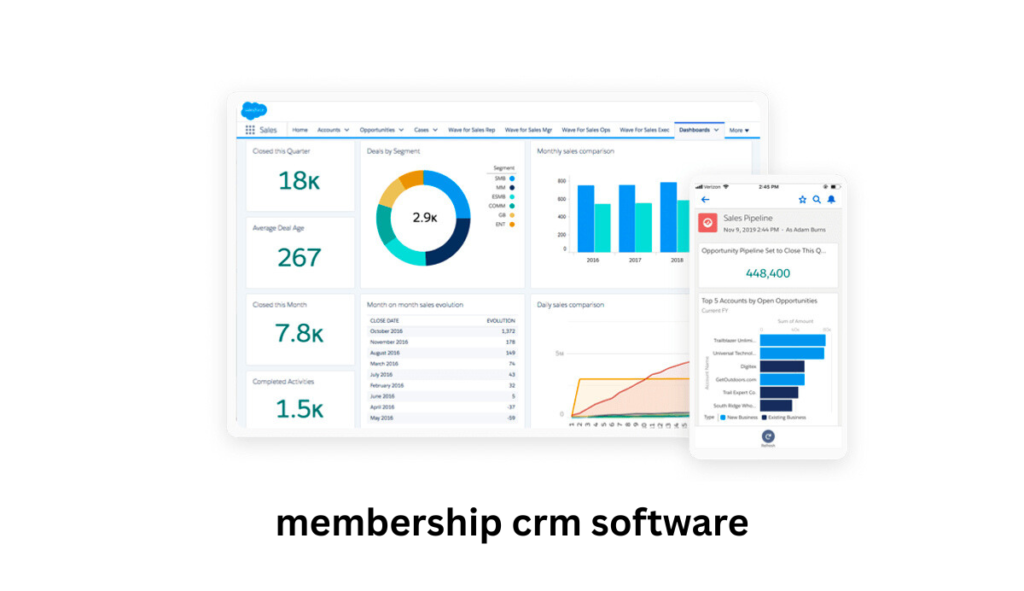
Platform “Appearance” and User Experience
The “physical appearance” of membership CRM software translates to its interface design and usability. Modern platforms emphasize:
- Clean dashboards
- Intuitive navigation
- Mobile-responsive layouts
- Customizable views
A well-designed interface reduces training time and encourages adoption across teams.
The Human Side of Membership CRM Software
Although software is technical, its purpose is deeply human. Membership CRM software exists to support relationships, trust, and belonging. It enables organizations to recognize milestones, respond to individual needs, and build communities rather than databases.
This human-centered approach is what separates membership CRM software from purely transactional tools.
Social Media and Digital Integration
Modern membership CRM platforms integrate seamlessly with email marketing tools, websites, social media platforms, and payment gateways. These integrations allow organizations to maintain a consistent digital presence and engage members across multiple channels.
Many providers also maintain active social media profiles, sharing industry insights, best practices, and community stories—further reinforcing trust and transparency.
How to Choose the Right Membership CRM Software
Selecting the right platform requires clarity about organizational goals. Decision-makers should evaluate:
- Membership size and growth plans
- Budget and total cost of ownership
- Required features and integrations
- Ease of use and support quality
- Data security and compliance standards
A well-chosen membership CRM becomes a long-term strategic partner, not just a tool.
Future of Membership CRM Software
The future of membership CRM software is shaped by automation, artificial intelligence, and deeper personalization. Emerging trends include:
- Predictive retention analytics
- Behavior-based engagement scoring
- Personalized content delivery
- Enhanced self-service experiences
As member expectations continue to rise, organizations that invest in the right CRM technology will remain competitive and relevant.
Final Thoughts
Membership CRM software is no longer optional for serious membership organizations. It is a foundational system that supports growth, retention, engagement, and operational excellence. By centralizing data and prioritizing relationships, it enables organizations to focus on what truly matters—serving their members.
When implemented thoughtfully, membership CRM software becomes more than a database. It becomes the digital backbone of a thriving, connected community.
FAQs
Q: What is this software used for?
A: It helps organizations manage member records, renewals, communication, and engagement in one system.
Q: Who can benefit from using it?
A: Associations, nonprofits, clubs, and any group with recurring members can benefit from it.
Q: Does it support online payments?
A: Yes, most platforms include tools for dues collection, invoicing, and recurring payments.
Q: Can members update their own information?
A: Many systems provide self-service portals where members can manage profiles and renew memberships.
Q: Is it suitable for small organizations?
A: Yes, it scales well and can be used by both small teams and large organizations.
